**Dementia and Art Therapy: Creative Approaches to Care**
Living with dementia can be a challenging and isolating experience. However, there are creative ways to care for individuals with dementia that can bring joy, comfort, and even cognitive benefits. One of these approaches is art therapy, which uses various forms of creative expression to engage and support people with dementia.
### How Art Therapy Helps
Art therapy is more than just a fun activity; it has a profound impact on both the mind and the heart. Here are some key ways it helps:
– **Stimulates Cognitive Function**: Engaging in creative activities like painting, drawing, or making collages can stimulate cognitive function. These activities require problem-solving and decision-making, which can help preserve neural pathways and slow down cognitive decline[1].
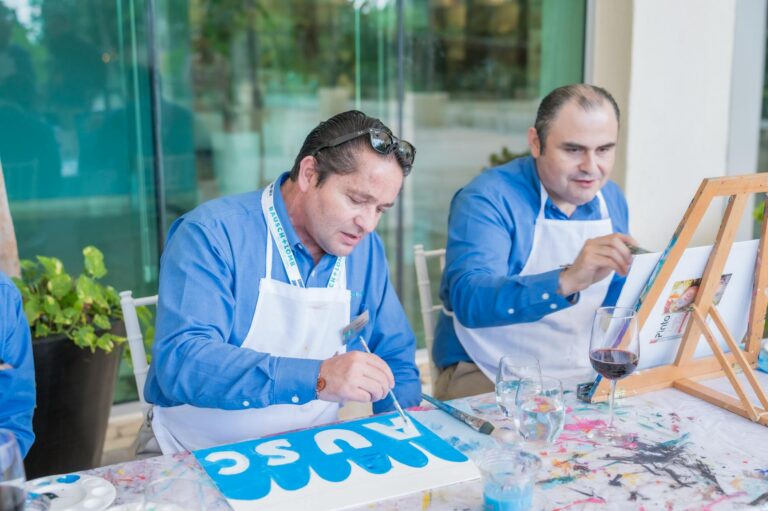
– **Reduces Anxiety**: Creative tasks like crafting or painting can reduce anxiety and stress. The focus on colors, textures, and shapes provides a sense of purpose without significant stress[1].
– **Boosts Happiness**: Social engagement is crucial for people with dementia. Art therapy sessions often involve sharing ideas and discussing the artwork, which fosters emotional bonds and a sense of normalcy[1].
– **Calms Emotions**: Music and art combined can calm emotions. Painting to music, for example, allows individuals to express their feelings through color and movement, reducing agitation and promoting relaxation[1].
### Specific Art Therapy Techniques
There are several art therapy techniques that are particularly effective for people with dementia:
1. **Constructing a Collage**
– Collage making involves cutting and arranging images, textures, and colors. This activity encourages storytelling and reminiscence. Participants might recall old memories or interests, which can be very uplifting[1].
2. **Painting Along to Music**
– Painting while listening to music engages multiple senses and can evoke memories. The emotional resonance of music triggers recollections, bringing comfort and a renewed sense of identity. This technique aligns with expressive arts therapy, where sensory inputs unlock deeper emotional layers[1].
3. **Improv Training for Caregivers**
– A new approach to dementia care involves teaching caregivers improvisation skills. This method encourages empathetic and responsive interactions, validating patients’ feelings rather than dismissing them. For example, if a patient insists their deceased spouse is coming home, the caregiver might use improv techniques to steer the conversation toward cherished memories, reducing anxiety and fostering connection[2].
### Benefits for Caregivers
Art therapy not only benefits individuals with dementia but also their caregivers. Watching a loved one find new ways to communicate and express themselves can alleviate caregiver burden. The optimism and joy seen in these creative sessions can sustain caregivers through challenging times, fueling them to continue exploring creative solutions for daily tasks[1].
### Practical Tips for Implementing Art Therapy
If you’re considering implementing art therapy for someone with dementia, here are some practical tips:
1. **Keep it Simple**
– You don’t need specialized art skills to create wonderful pieces of art. Use materials like magazines, photos, colorful paper, scissors, and glue for collage making.
2. **Choose Comfortable Settings**
– Art sessions can be conducted in various settings, including care facilities, homes, or even community centers. Ensure the environment is comfortable and conducive to creativity.
3. **Encourage Participation**
– Invite participants to share their ideas and discuss their artwork. This gentle discussion fosters an emotional bond and a sense of normalcy.
4. **Combine with Music**
– Playing soft classical music or gentle jazz during painting sessions can enhance the experience, encouraging reminiscence and reducing restlessness.
5. **Be Patient and Flexible**
– Be patient with participants as they may struggle with memory lapses or fine motor skills. Be flexible with the activities and adapt them according to the individual’s needs and abilities.
### Conclusion
Dementia and art therapy create a powerful bond. Each color, shape, and texture becomes a