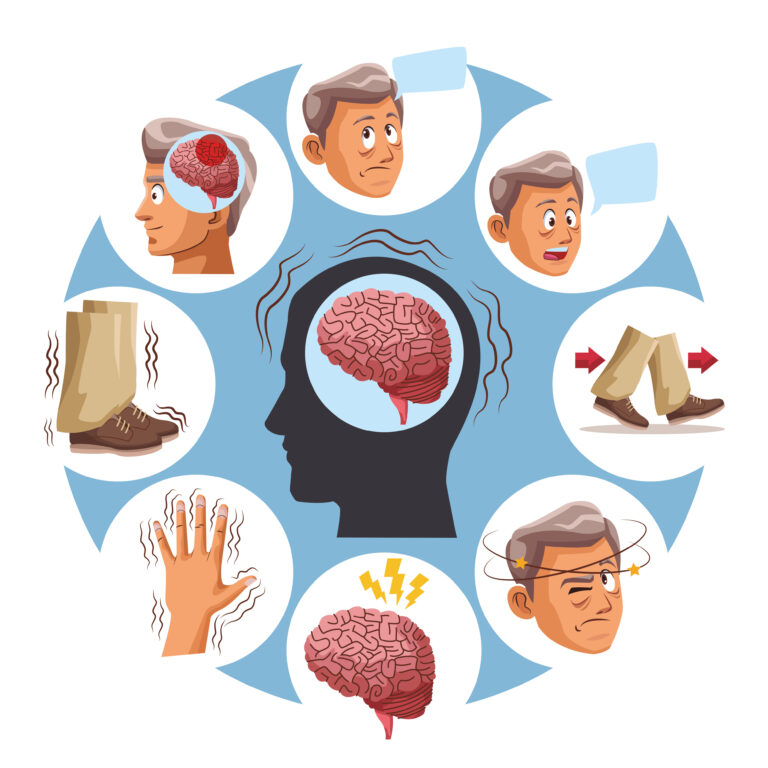
Could Your Parent’s Obsession With Jigsaw Puzzles Mask Brain Decline?
Jigsaw puzzles have long been a beloved pastime for many, especially seniors. These puzzles not only provide entertainment but also offer a wide range of mental and emotional benefits. However, some people might wonder if their parent’s obsession with jigsaw puzzles could be a sign of brain decline. Let’s explore this question and understand the true benefits of jigsaw puzzles for seniors.
### The Cognitive Benefits of Jigsaw Puzzles
Jigsaw puzzles are more than just a fun hobby; they are a workout for the brain. Research has shown that puzzles:
– **Improve Cognitive Function**: By engaging both the left (logical) and right (creative) sides of the brain simultaneously, jigsaw puzzles enhance overall cognitive function[1][3].
– **Increase Dopamine Production**: Solving puzzles boosts the production of dopamine, a neurotransmitter linked to improved memory and learning[1][3].
– **Strengthen Brain Connections**: Jigsaw puzzles strengthen connections between brain cells, reducing the risk of cognitive decline, dementia, and Alzheimer’s disease[1][3].
### Reducing Stress and Anxiety
Engaging in jigsaw puzzles can also have a positive impact on mental health. The process of solving a puzzle requires concentration and can redirect the mind from stressors, leading to a meditative effect that reduces stress and anxiety[3].
### Social Benefits
Jigsaw puzzles can also foster social connections. In memory care communities, residents often work on puzzles together, providing a sense of community and shared activity. This social interaction is crucial for seniors, helping to combat loneliness and isolation[5].
### Why Jigsaw Puzzles Are Not a Sign of Brain Decline
While it might seem counterintuitive, a senior’s obsession with jigsaw puzzles is not necessarily a sign of brain decline. In fact, the opposite is true. Jigsaw puzzles are a powerful tool for maintaining cognitive health and mental well-being. They provide a challenging yet enjoyable activity that can improve memory, concentration, and problem-solving skills.
### Choosing the Right Puzzle
When selecting a jigsaw puzzle for a senior, it’s essential to consider their cognitive abilities and preferences. Large, easy-to-handle pieces are ideal for those with dementia or Alzheimer’s, as they reduce frustration and make the activity more enjoyable[5].
### Conclusion
Jigsaw puzzles are a wonderful way for seniors to stay mentally active and engaged. They offer a range of cognitive and emotional benefits that can improve overall brain health and reduce stress. So, if your parent is obsessed with jigsaw puzzles, it’s likely because they are enjoying the mental stimulation and sense of accomplishment that comes with solving them. Encourage them to continue this activity, as it can be a powerful tool in maintaining their cognitive health and well-being.