Community Engagement and Dementia Prevention
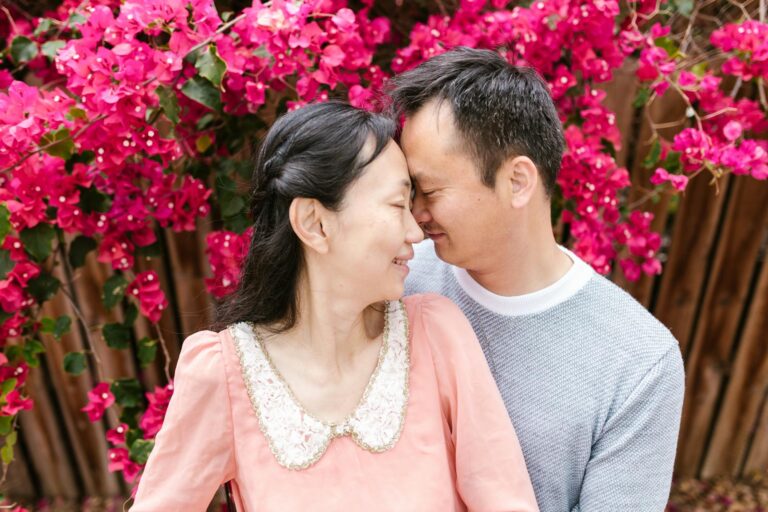
Staying connected with others plays a key role in preventing dementia. Simple social activities in everyday communities help lower the risk by keeping brains active and people motivated to live healthier lives.
Dementia affects millions around the world, but experts agree that combining physical exercise, mental challenges, good nutrition, and social ties can reduce the chances of developing it. One study shows that lifestyles with strong social engagement lead to better long-term habits, especially when people tie these changes to their personal values. For example, reminders on smartphones and quick check-ins can encourage older adults to stick with these routines, making prevention feel rewarding rather than forced.
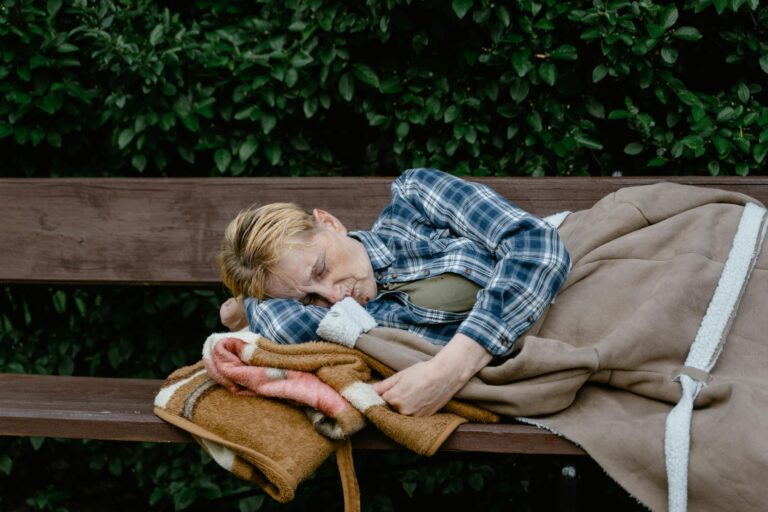
Communities are stepping up by creating dementia-friendly spaces. These places focus on calm environments, respect for those with memory issues, and links between generations to fight isolation and stigma. In places like Vermont, towns offer classes on brain health and special programs for people with dementia, helping everyone from families to neighbors get involved. Programs like Dementia Friends train anyone, young or old, to understand dementia better and take small actions, such as visiting someone who lives alone or sharing what they learn with friends.
Medical students are learning this hands-on too. By joining community prevention efforts, they shift from just treating illness to stopping it early. They build skills in designing local programs, reflect on real-life challenges, and even draw from family stories to motivate change. This turns them into advocates who spread prevention ideas far and wide.
Creative approaches work wonders as well. Art shows and live performances tailored to different cultures draw in groups that might otherwise miss out, sparking talks about health and building support networks. Tech ideas, like sharing stories through apps, also empower people with dementia to join in design and daily life.
Every chat, walk, or event counts. When communities rally together, they make healthy brains possible for more people.
Sources
https://pmc.ncbi.nlm.nih.gov/articles/PMC12725898/
https://www.frontiersin.org/journals/public-health/articles/10.3389/fpubh.2025.1708455/full
https://www.healthvermont.gov/wellness/brain-health-dementia/what-are-dementia-friendly-communities
https://healthandwelfare.idaho.gov/dementia-friends
https://dl.acm.org/doi/full/10.1145/3582558?casa_token$=$SYPughnk2yEAAAAA%3Av7uLDTcEn1NlPR7vjKS08ELSdQfZrI0BbM8F7y_lUbR0GdZ2ilyAlDcsbWIlaG5uJjpRijRC4Hk
https://pmc.ncbi.nlm.nih.gov/articles/PMC12746347/