Why MRI Findings Do Not Always Match Memory Symptoms
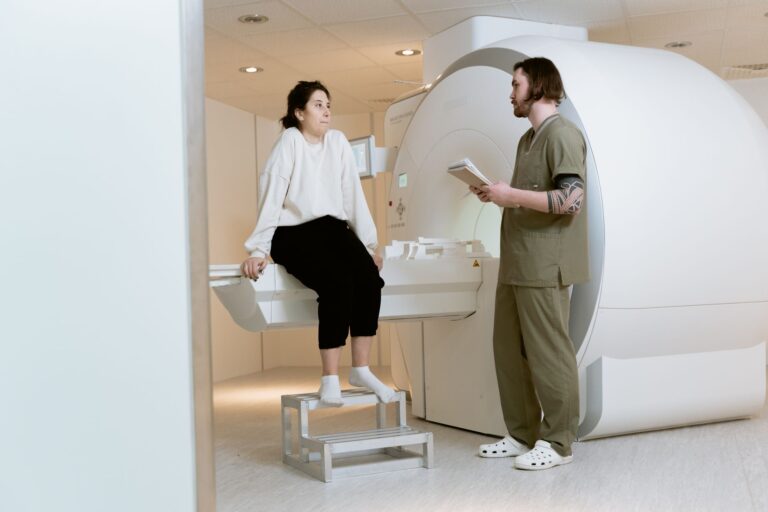
A brain scan showing shrinkage or damage doesn't necessarily explain why someone is forgetful—and normal imaging doesn't rule out real memory problems.
A brain scan showing shrinkage or damage doesn't necessarily explain why someone is forgetful—and normal imaging doesn't rule out real memory problems.
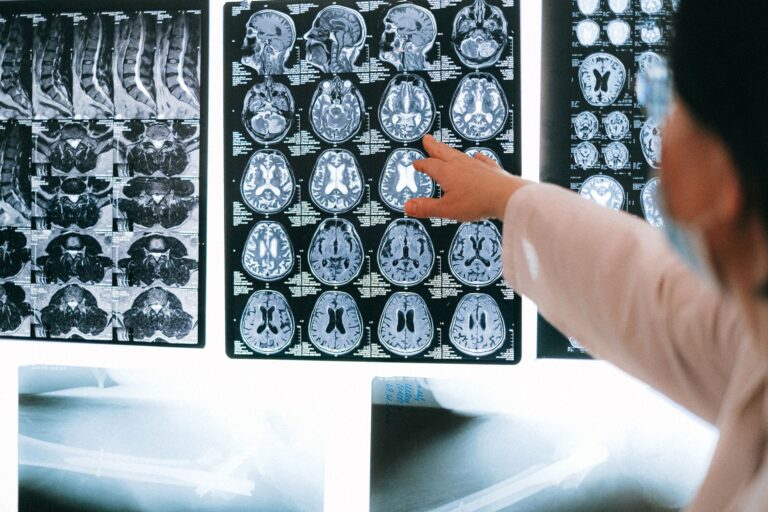
Standard brain MRI cannot detect Alzheimer's amyloid plaques or tau tangles, making normal scans common even in active dementia.

MRI reveals brain structure but cannot detect the protein changes that cause most dementias, making imaging normal even in early disease.
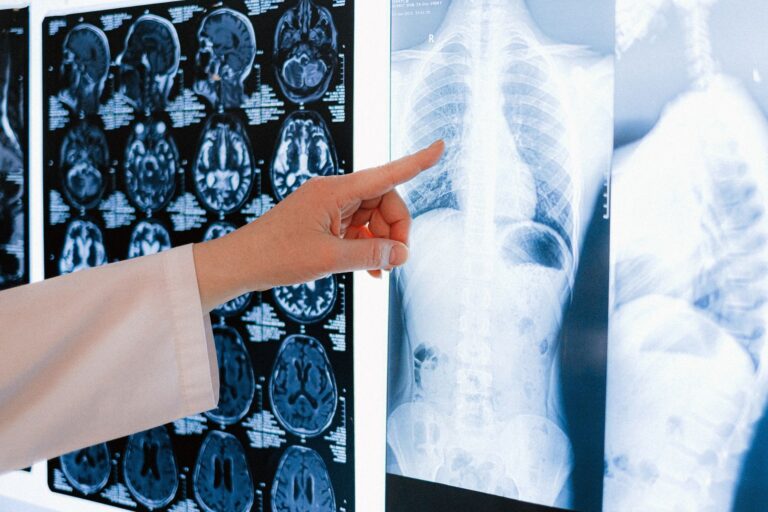
Brain MRI can detect structural changes linked to Alzheimer's, but cannot diagnose the disease alone.

Brain MRI reveals structural damage patterns that guide diagnosis of memory loss, from Alzheimer's atrophy to vascular injury.

Brain MRI terminology reveals which findings signal genuine dementia risk and which are normal aging—here's what each key term means.

Brain MRI shows white spots—what does that mean for my risk of stroke and dementia?

PMN310 trial shows promising signs of slowing brain protein accumulation in Alzheimer's, though questions remain about clinical benefit.

Brain scarring from reactive glial cells may actively drive memory loss—but recent CRISPR research suggests the damage could be reversible.

Encephalomalacia is permanent brain damage visible on MRI; here's what radiologists see and what it means for your health.