Dark Chocolate and Memory: How Much You Actually Need to Eat
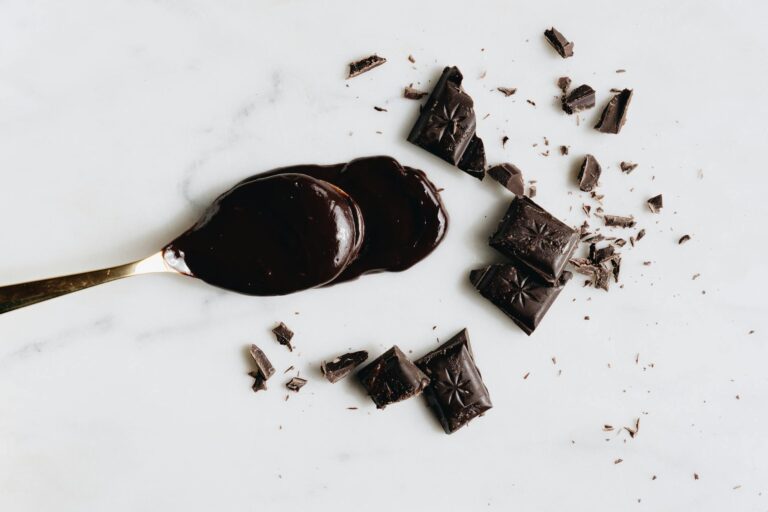
Based on the current research, you need about 20 to 35 grams of minimally processed dark chocolate with at least 70 percent cocoa content per day to see...
Based on the current research, you need about 20 to 35 grams of minimally processed dark chocolate with at least 70 percent cocoa content per day to see...

If you want to protect your brain as you age, the single most effective dietary move you can make is eating fatty fish rich in omega-3s — specifically DHA...

The evidence so far points in a consistent direction: following a Mediterranean diet is associated with a meaningful reduction in Alzheimer's risk, though...

The short answer is yes — but with a significant asterisk. Observational research spanning more than a decade has consistently linked the MIND diet to a...
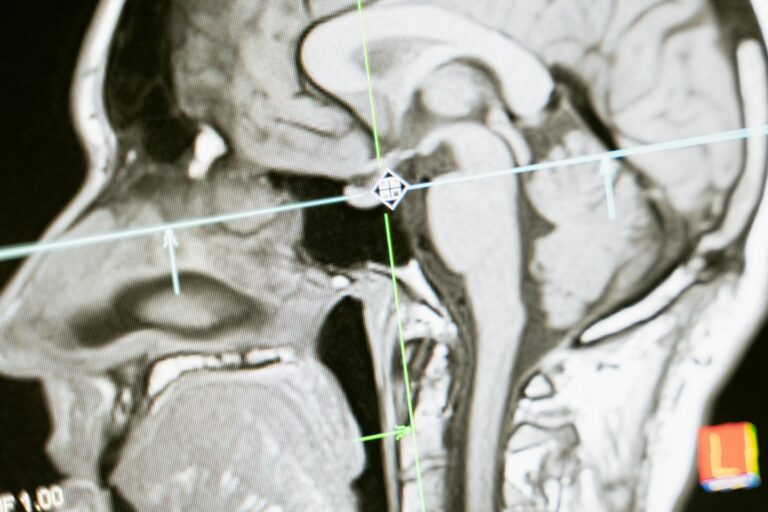
The foods most likely to shrink your brain, according to neurologists and large-scale research, include sugary beverages, ultra-processed snacks, alcohol,...

Dementia affects more than 55 million people worldwide, a number projected to reach 139 million by 2050 according to the World Health Organization. For...

The foods we eat shape the brain we live with. This is not a metaphor but a biological reality supported by decades of epidemiological research, clinical...

Amyloid antibody treatments represent one of the most significant developments in Alzheimer's disease research in decades, offering new hope for millions...

Understanding why early amyloid detection matters for treatment has become one of the most significant developments in dementia care over the past decade.

Understanding why early amyloid detection matters for treatment has become one of the most critical conversations in modern neurology and dementia care.