When Parkinson’s Disease Turned Everyday Walking Into a Risk

Parkinson's disease transforms walking from an automatic, unconscious act into a deliberate challenge fraught with danger.
Parkinson's disease transforms walking from an automatic, unconscious act into a deliberate challenge fraught with danger.

Balance loss in Parkinson's disease is not simply a symptom that appears and stabilizes""it is a progressive challenge that often becomes the defining...

Parkinson's disease erodes independence through a slow, uneven progression that typically begins with subtle difficulties in everyday tasks before...

Living with Parkinson's disease after experiencing serious injuries requires a fundamentally different approach than managing PD alone.

When a person with Parkinson's disease experiences repeated falls over months or years, the cumulative damage to confidence, physical function, and...

Falls in Parkinson's disease are more severe than typical age-related falls because of a convergence of motor dysfunction, impaired protective reflexes,...

Parkinson's disease fundamentally alters how a person walks by slowing movement, shortening stride length, and disrupting the automatic coordination that...
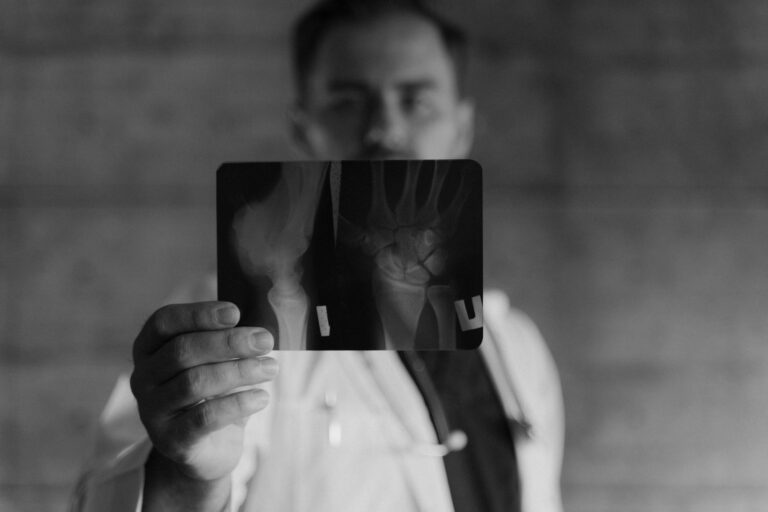
Yes, wrist and arm fractures are significantly more common in people with Parkinson's disease than in the general population.

Yes, Parkinson's disease symptoms significantly increase the risk of head injuries, primarily through falls.

Fall prevention in Parkinson's disease is critical because people with PD fall at rates three times higher than healthy individuals, with 45-68%...