How One Parkinson’s Patient Learned to Live After Losing Stability

Learning to live after losing stability requires accepting that movement will never be the same while developing new strategies to work with the body...
Learning to live after losing stability requires accepting that movement will never be the same while developing new strategies to work with the body...
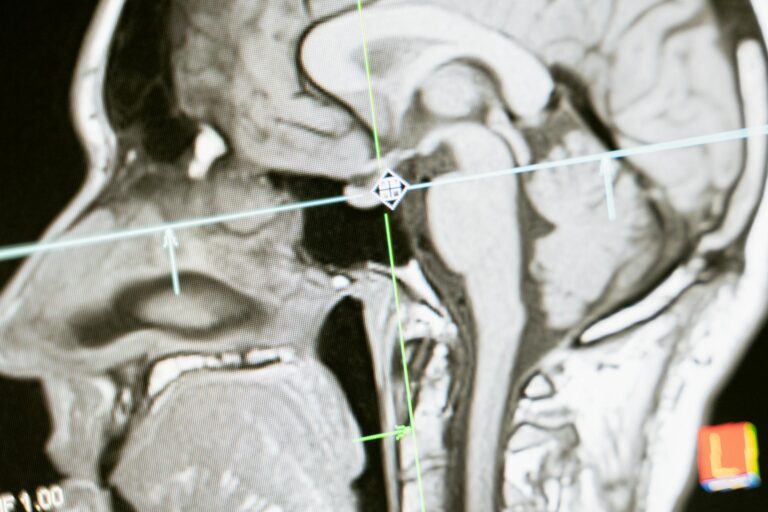
A Parkinson's disease diagnosis frequently becomes the starting point for a cycle of repeated hospitalizations that can dominate a patient's life and...

Parkinson's disease transforms walking from an automatic, unconscious act into a deliberate challenge fraught with danger.

Balance loss in Parkinson's disease is not simply a symptom that appears and stabilizes""it is a progressive challenge that often becomes the defining...

Parkinson's disease erodes independence through a slow, uneven progression that typically begins with subtle difficulties in everyday tasks before...

Living with Parkinson's disease after experiencing serious injuries requires a fundamentally different approach than managing PD alone.

When a person with Parkinson's disease experiences repeated falls over months or years, the cumulative damage to confidence, physical function, and...

Falls in Parkinson's disease are more severe than typical age-related falls because of a convergence of motor dysfunction, impaired protective reflexes,...

Parkinson's disease fundamentally alters how a person walks by slowing movement, shortening stride length, and disrupting the automatic coordination that...
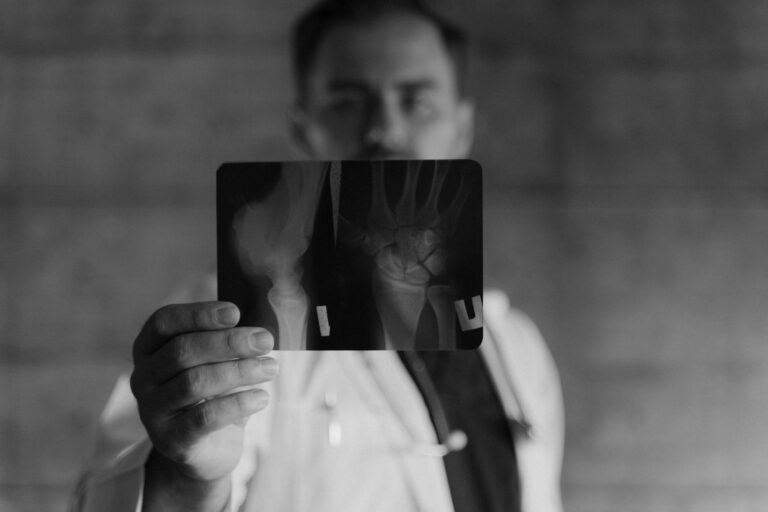
Yes, wrist and arm fractures are significantly more common in people with Parkinson's disease than in the general population.
HelpDementia.com
Dementia, Alzheimer's, Caregiving & Healthy Aging Guidance
© 2026 HelpDementia.com. All rights reserved.
Educational information only. It is not medical advice and does not replace care from a qualified clinician.