Caregiver Checklist for Managing Paranoia in Dementia

A step-by-step response plan for dementia-related suspicion, from deciding when to act to what the FDA warns about treating it with medication.
A step-by-step response plan for dementia-related suspicion, from deciding when to act to what the FDA warns about treating it with medication.

Why dementia-related anger, paranoia, and withdrawal happen, what makes them worse, and when a sudden change means call the doctor.
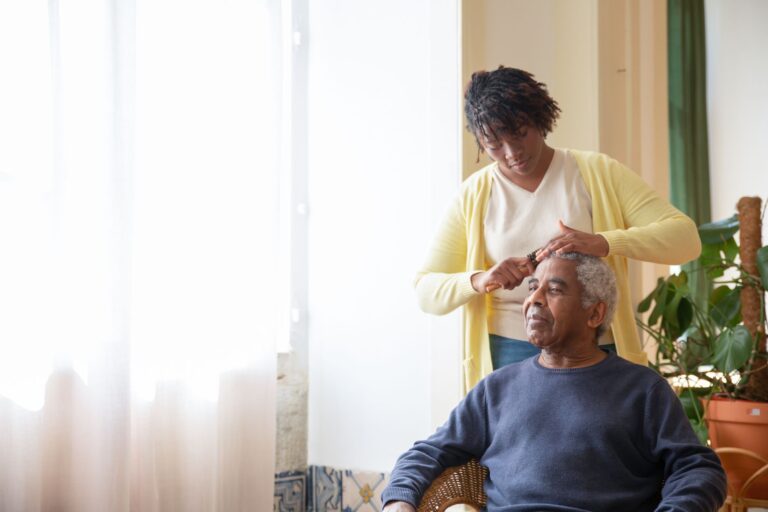
Why arguing, denying, or ignoring a UTI can make dementia paranoia worse — and what redirecting and searching together do instead.

A caregiver's setup guide to beanbag toss, built on senior-living programs' own house rules for distance, scoring, and session length.
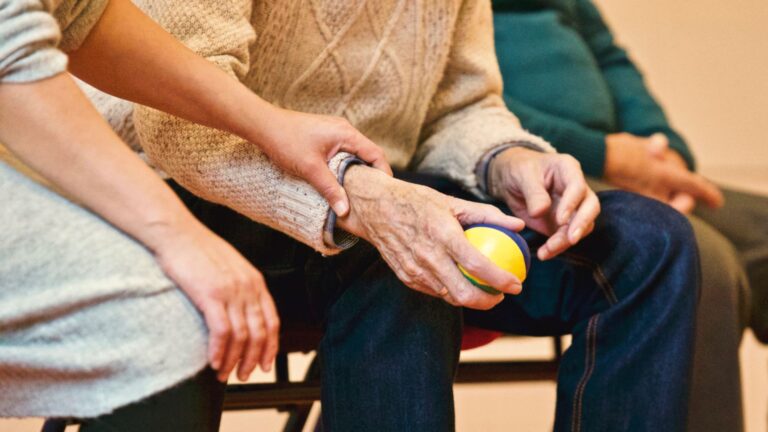
Hospice adds a clinical team and respite care once dementia reaches FAST stage 7; it never replaces the family care underneath it.

Checking a program's delivery format before relying on a directory listing matters most for caregivers who can't show up in person.

A 2026 rundown of which dementia caregiver programs are actually usable now, versus which bills are still stuck in committee.

A 2026 partnership adds Alzheimer's Association backing to a free directory that lets working caregivers filter dementia-care programs by format, cost, and proven results.

GUIDE's 2026 payment update and its still-thin rural footprint mean eligible families need to ask providers directly, not wait to be told.

A 2026 partnership expands free, research-vetted dementia caregiver programs — but reach among working caregivers remains unmeasured.
HelpDementia.com
Dementia, Alzheimer's, Caregiving & Healthy Aging Guidance
© 2026 HelpDementia.com. All rights reserved.
Educational information only. It is not medical advice and does not replace care from a qualified clinician.