How long after a dementia diagnosis does someone need full time care
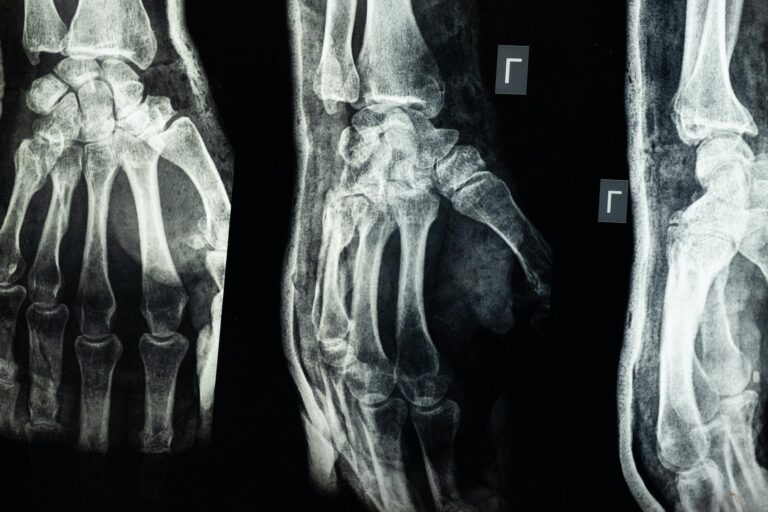
Most people with dementia will need full-time care somewhere between two and eight years after diagnosis, though the timeline varies significantly...
Most people with dementia will need full-time care somewhere between two and eight years after diagnosis, though the timeline varies significantly...

Moving to a care home does not inherently speed up dementia, but the transition itself can trigger a noticeable and sometimes sharp decline that families...

People diagnosed with dementia live a median of 4.8 years after diagnosis, but where they receive care meaningfully shapes how those years unfold.

The difference between good dementia care and poor or absent care is not a matter of weeks or months. It is a matter of years.
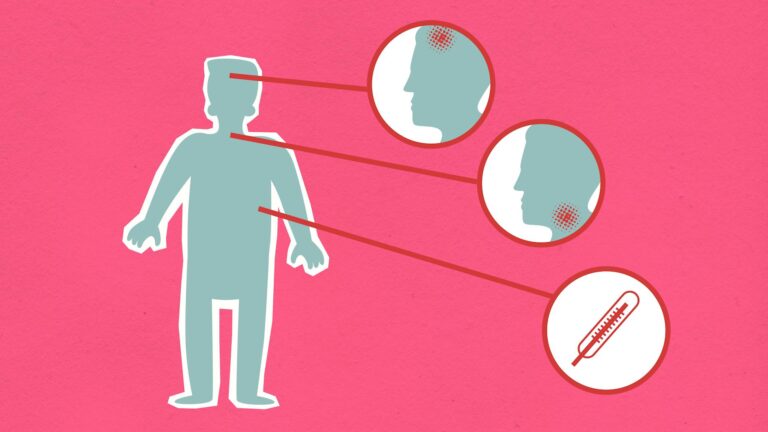
Stage 6 dementia, classified as "Moderately Severe Cognitive Decline" on the Global Deterioration Scale developed by Dr.

The best cushion temperature regulation for Alzheimer's care combines gel-infused memory foam with ventilated layers, keeping the seated surface close to...

The best chair cushion for an Alzheimer's patient during caregiver shift changes is one that solves two problems at once: it prevents pressure injuries...
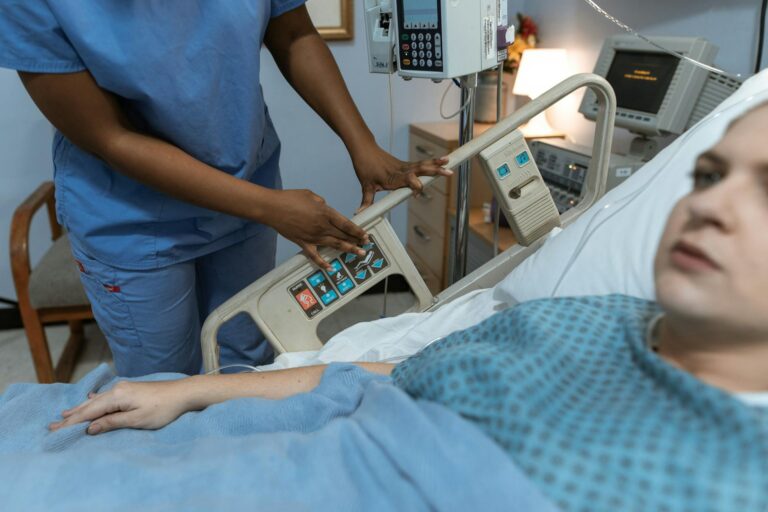
The best cushion for dementia patients during transitions between care settings is a pressure redistribution cushion selected to match the individual's...
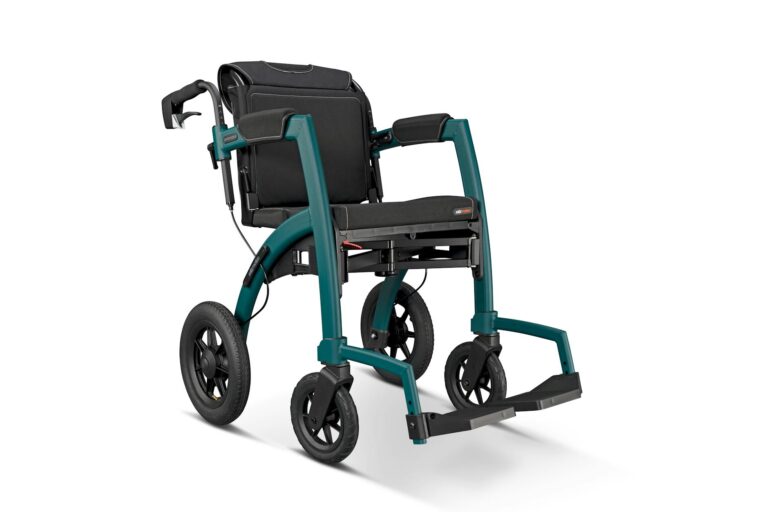
The best chair cushion for Alzheimer's patients during short-term care stays is one that provides active pressure redistribution, resists fluids, and...

The best seating support for dementia patients during respite care is a clinically assessed, therapeutic chair that combines pressure redistribution,...