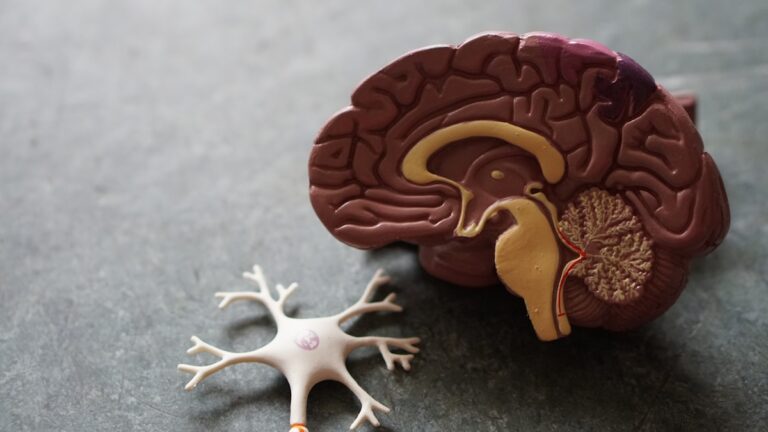
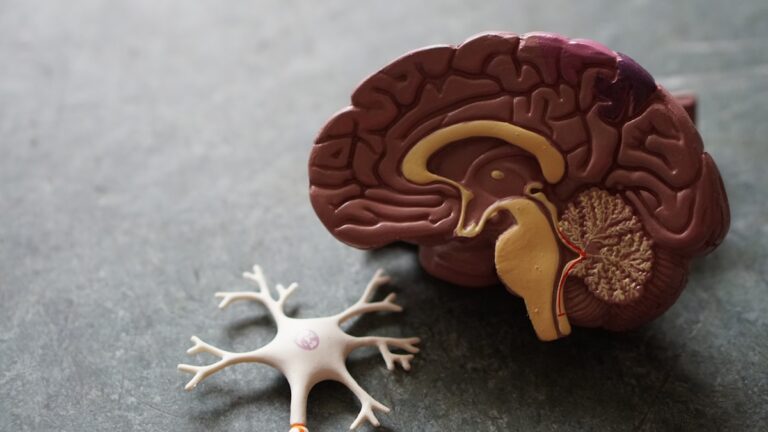
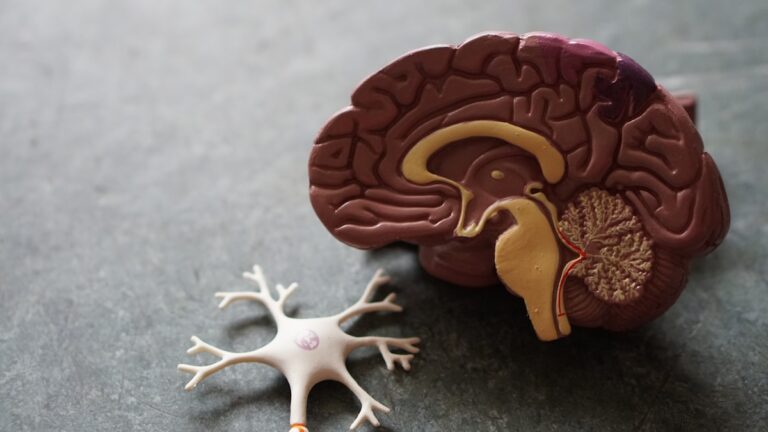
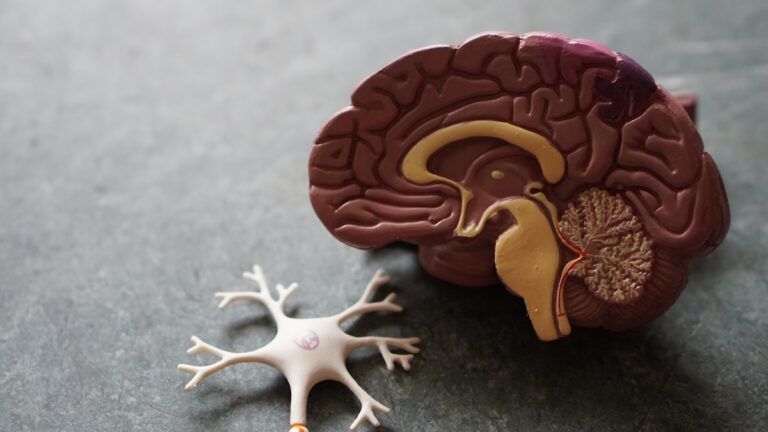
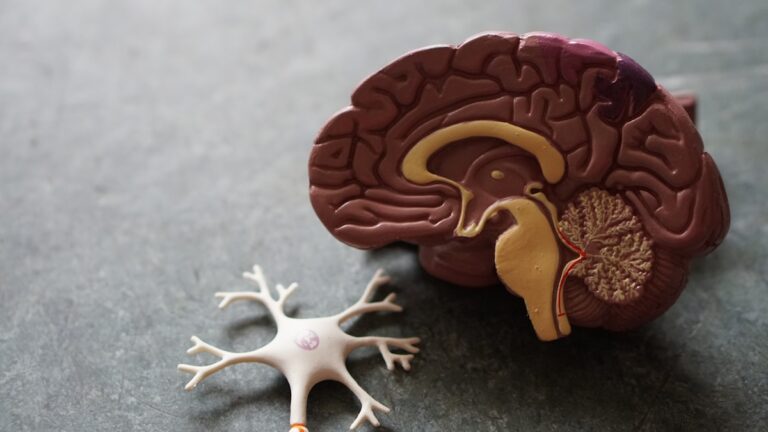
Watching movies can potentially help lower the risk of dementia by providing mental stimulation, emotional engagement, and social connection—all factors that contribute to brain health. While watching movies alone is not a guaranteed prevention method, it fits into broader lifestyle habits known to support cognitive resilience and reduce dementia risk.
Dementia is a complex condition characterized by decline in memory, thinking skills, and the ability to perform everyday activities. It arises from various causes including Alzheimer’s disease and other neurodegenerative disorders. Although some risk factors like genetics cannot be changed, many others are modifiable through lifestyle choices.
One key concept in understanding how activities like movie watching might help is *cognitive reserve*. This refers to the brain’s ability to adapt and compensate for damage or aging through enriched experiences that build neural connections. Engaging in mentally stimulating tasks—such as reading, puzzles, learning new skills—and even enjoying films can contribute to this reserve by activating different areas of the brain.
Movies offer several unique benefits for brain health:
– **Mental Engagement:** Following a movie’s plot requires attention, memory recall (remembering characters or storylines), language comprehension (dialogue), and sometimes critical thinking (interpreting themes or predicting outcomes). This multi-faceted mental workout exercises various cognitive domains simultaneously.
– **Emotional Stimulation:** Films often evoke emotions such as joy, sadness, suspense, or empathy. Emotional arousal has been shown to enhance memory encoding and retention because it activates deeper processing centers in the brain.
– **Social Connection:** Watching movies with others—family members or friends—or discussing them afterward fosters social interaction. Social engagement is one of the strongest protective factors against cognitive decline since isolation increases dementia risk significantly.
– **Stress Reduction:** Enjoyable leisure activities like watching favorite films can reduce stress hormones such as cortisol that negatively impact brain cells over time. Lower stress supports overall neurological health.
In research on dementia prevention strategies beyond just movie watching:
Experts emphasize combining physical exercise with heart-healthy diets alongside mentally stimulating hobbies for best results. For example:
– Regular walking or aerobic activity improves blood flow to the brain.
– Diets rich in vegetables, fruits, whole grains (like Mediterranean or MIND diets) provide antioxidants protecting neurons.
– Addressing sensory impairments such as hearing loss helps maintain communication abilities crucial for cognition.
Within this holistic approach lies room for entertainment-based activities like film viewing because they encourage sustained attention and emotional involvement while often being enjoyable enough to maintain consistency over time—a critical factor when building cognitive reserve.
Moreover, studies involving conversational engagement have demonstrated how interactive dialogue strengthens neural networks related to focus and executive function—the very faculties needed when following complex stories on screen. While passive viewing differs from active conversation somewhat in terms of stimulation level; pairing movie watching with discussion amplifies benefits further by encouraging reminiscence and vocabulary use.
It’s important not just what you watch but how you engage with it: choosing diverse genres challenges your mind differently—from mysteries requiring problem-solving skills; historical dramas prompting reflection on past events; comedies boosting mood; documentaries expanding knowledge base—all contributing uniquely toward mental agility.
While no single activity guarantees immunity from dementia due its multifactorial nature—including age-related changes—incorporating enjoyable cognitively engaging pastimes like movie watching into daily life supports an overall strategy proven effective at lowering risks associated with cognitive decline later on.
The act of sitting down regularly for a good film also offers structure—a routine element beneficial especially among older adults who might otherwise face loneliness or inactivity which accelerate deterioration processes within their brains.
In essence: Watching movies combines intellectual challenge with emotional richness plus potential social bonding opportunities making it an accessible tool within broader efforts aimed at maintaining healthy cognition throughout aging years.
To maximize these effects consider:
1) Selecting films that stimulate curiosity rather than passive background noise
2) Discussing plots/themes afterwards either informally with loved ones or via clubs/groups
3) Combining viewing habits alongside physical activity & balanced nutrition
4) Remaining socially connected beyond screen tim