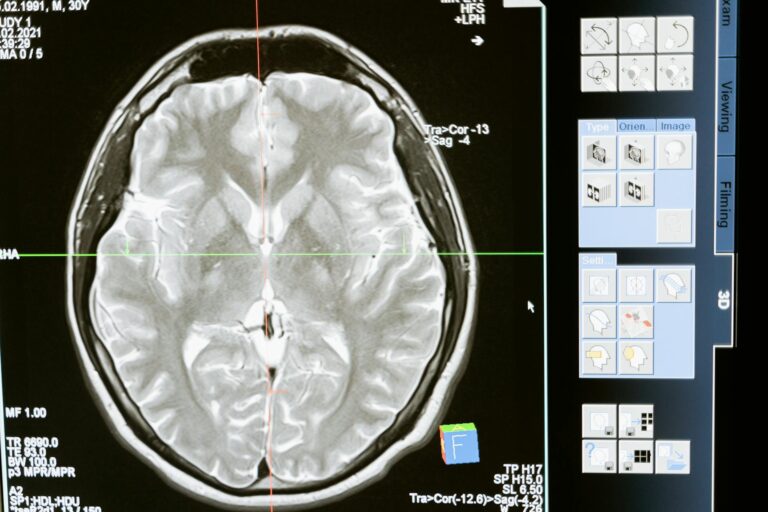
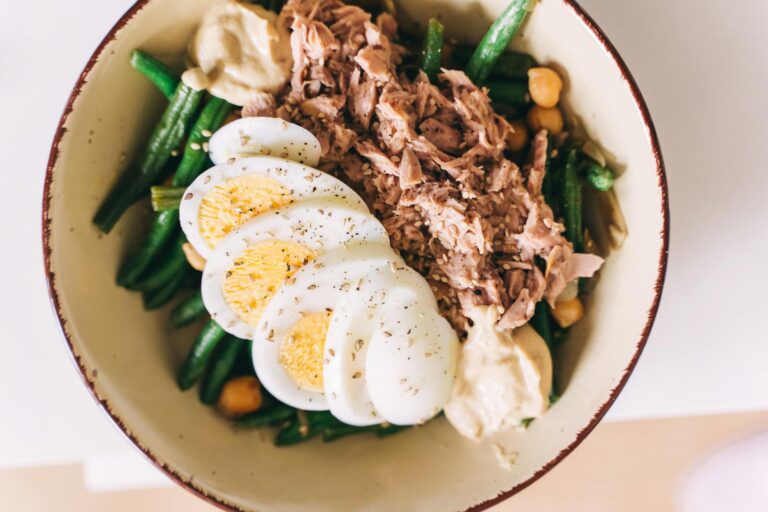
Visual menus can significantly improve meal decision making by engaging the brain’s rapid and automatic evaluation of food based on visual cues. Research shows that when people see images of food, their brains process key attributes like healthiness, tastiness, and familiarity within just 200 milliseconds. This fast visual processing helps form immediate impressions that influence choices even before conscious thought occurs. Therefore, menus that include appealing pictures can guide diners more effectively than text alone by triggering these quick, subconscious evaluations[4][5].
The way menus are designed also plays a crucial role. Studies on menu psychology reveal that people’s eyes follow predictable patterns when scanning menus, often focusing first on the upper right corner and then moving in a zigzag pattern. Restaurants use this knowledge to place attractive images or high-margin dishes in these “hotspots” to catch attention and increase the likelihood of selection. Visual hierarchy, such as using boxes, borders, and white space around images, further directs focus to certain items, making decision making easier and faster[1].
Moreover, visual menus can help consumers better estimate portion sizes and nutritional content. Mixed reality studies show that presenting food visually in realistic ways allows people to adjust portion sizes more accurately and make more informed choices. This is especially useful for individuals who struggle with portion control or have altered food perceptions, such as those with eating disorders[3].
Beyond just improving choice speed and accuracy, visual menus have the potential to promote healthier eating. Neuroscience research suggests that tailored visual cues can be designed to steer people toward more nutritious options by engaging brain networks associated with food evaluation. This approach could be used in digital menus or food delivery apps to encourage mindful eating and better dietary habits[2].
In summary, visual menus leverage the brain’s natural and rapid response to food images, combined with strategic design principles, to enhance meal decision making. They make it easier for diners to quickly identify appealing and suitable options, estimate portions, and potentially choose healthier meals.
Sources
https://lifestyle.sustainability-directory.com/question/how-does-menu-psychology-impact-food-choice/
https://bioengineer.org/meat-processing-alters-brain-connectivity-during-visual-evaluation/
https://pmc.ncbi.nlm.nih.gov/articles/PMC12592256/
https://www.sciencealert.com/your-brain-makes-food-choices-before-you-even-know-what-youre-looking-at
https://findanexpert.unimelb.edu.au/news/133236-our-brains-evaluate-food-within-milliseconds–long-before-we%E2%80%99ve-decided-to-eat-it