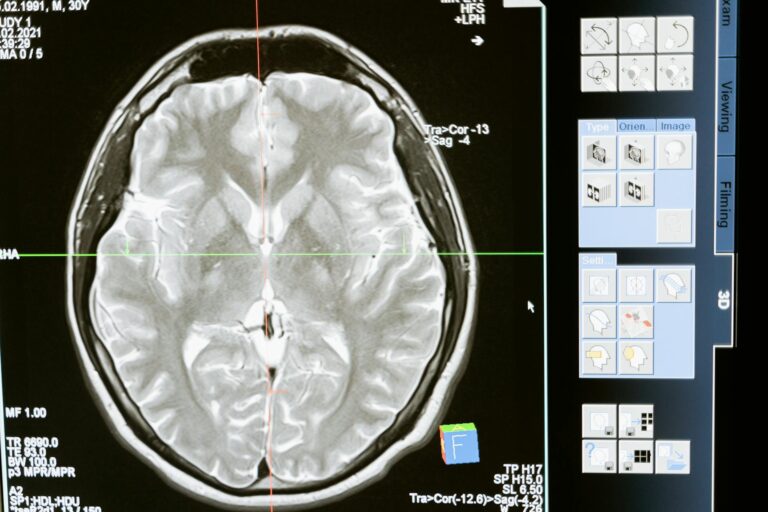
Telehealth has the potential to significantly improve early dementia management by increasing access to care, supporting patients and caregivers, and enabling timely interventions. Through telephone calls, video consultations, and digital platforms, telehealth can provide flexible and continuous support for people with early dementia and their families, especially those living in remote areas or facing mobility challenges[1][2].
One key benefit of telehealth is its ability to reduce barriers to care. Patients can have virtual check-ups without needing to travel, which is particularly helpful for seniors who may find transportation difficult. Remote monitoring devices can track vital signs and cognitive changes, allowing healthcare providers to detect early signs of deterioration and adjust treatment plans promptly[5]. This proactive approach helps manage symptoms before they worsen, potentially delaying disease progression.
Telehealth also supports caregivers by offering educational resources, psychosocial support, and stress management tools through telephone or online interventions. These services can reduce caregiver burden and improve their ability to manage behavioral and psychological symptoms of dementia (BPSD) in patients[1][6]. AI chatbots are emerging as additional tools that provide memory support, reminders, and emotional companionship, which can enhance daily functioning and reduce feelings of isolation for patients in early stages of dementia[3].
Moreover, telehealth facilitates regular medication reviews and adjustments through remote consultations, ensuring that treatment remains appropriate as the disease evolves[7]. The COVID-19 pandemic accelerated the adoption of telehealth, demonstrating its feasibility and acceptance among older adults, who have shown motivation and ability to learn new technologies to maintain their independence and quality of life[2].
Despite these advantages, challenges remain, including ensuring usability for older adults, addressing privacy concerns, and integrating telehealth seamlessly into existing healthcare systems. However, ongoing advancements in technology and growing evidence of telehealth’s effectiveness suggest it can play a vital role in early dementia care by improving access, monitoring, and support for both patients and caregivers.
Sources
https://www.jmir.org/2025/1/e77233
https://pmc.ncbi.nlm.nih.gov/articles/PMC12608688/
https://dialzara.com/blog/ai-chatbots-for-dementia-patients-benefits
https://drugtodayonline.com/medical-news/news-topic/25224-telemedicine-brings-new-hope-for-dementia-care-says-who-study
https://www.humancareny.com/blog/the-role-of-technology-in-enhancing-in-home-care-services
https://pmc.ncbi.nlm.nih.gov/articles/PMC12584996/
https://drgregoryfacemyer.com/primary-care/telemedicine-solutions-in-memory-care-and-dementia-management/