Can Soft Instrumentals Improve Serenity
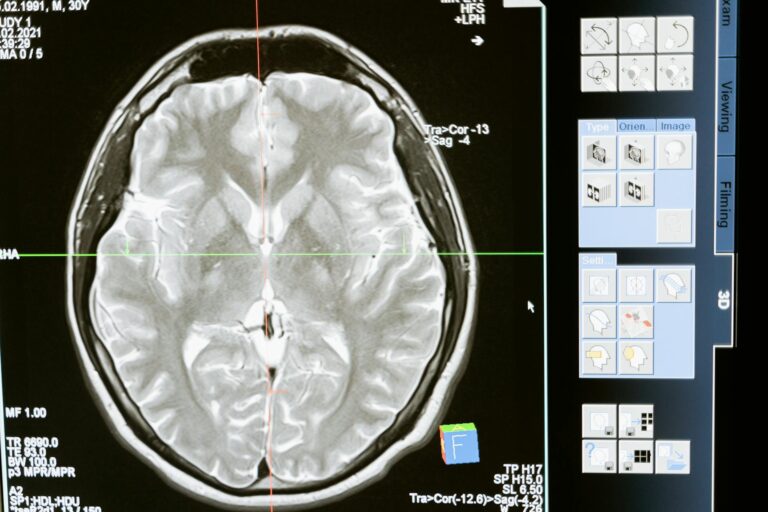
When you listen to gentle instrumental music, something shifts inside you. Your shoulders drop. Your breathing slows. The constant chatter in your mind quiets down. This isn’t just a feeling – it’s actually happening in your body and brain.
Soft instrumental music works because it follows patterns that our nervous system recognizes as safe. Unlike jarring sounds or music with sudden changes, gentle instrumentals maintain consistency. This steady, predictable quality tells your brain that there’s no threat, which activates your parasympathetic nervous system – the part responsible for relaxation and calm.
The science behind this is straightforward. When you listen to soft music regularly, your brain begins to associate those sounds with safety and peace. Over time, this creates neural pathways that make it easier to feel calm, even during stressful situations. Your brain learns these musical shortcuts to tranquility, and they become more powerful the more you use them.
Different types of soft instrumentals work for different purposes. For focused work, instrumental music without lyrics helps you concentrate without distraction. For relaxation, pieces that incorporate gentle nature sounds – like water or forest ambiance – work particularly well. For sleep, ultra-low frequency sounds below 20 Hz have been shown to enhance deep sleep phases.
One practical approach is the 60-40 rule recommended by audio designers. This means creating an environment where 60 percent consists of ambient background sound and 40 percent consists of focused foreground sound. This balance shields you from distractions while providing enough auditory interest to keep you engaged without restlessness.
Soft instrumental music also has physical benefits beyond mental calm. Studies show that listening to gentle music can reduce muscle tension, lower blood pressure, and even help with pain relief. Many people find that soft instrumentals reduce discomfort from headaches or muscle pain, and some use them during recovery from surgery.
The beauty of using soft instrumentals for serenity is that you don’t need expensive equipment. A simple Bluetooth speaker, noise-canceling headphones, or even a free smartphone app can transform your audio environment. The key is matching the right soundscape to your activity and listening consistently.
When you make soft instrumental music part of your daily routine, the effects accumulate. You’re not just getting momentary calm – you’re actually rewiring how your brain responds to stress. Over weeks and months, you’ll notice that you can access that peaceful feeling more easily, even without the music playing.
Sources
https://www.youtube.com/watch?v=9sD8IdEffZA
https://www.youtube.com/watch?v=Z1Rv_NePNEU
https://www.youtube.com/watch?v=KwEIEyHhj-A
https://www.youtube.com/watch?v=NYA3hga2djQ
https://www.youtube.com/watch?v=dHWXMLA22dI
https://open.spotify.com/track/49Twk0mkIiL6Z0pPHcNFiD