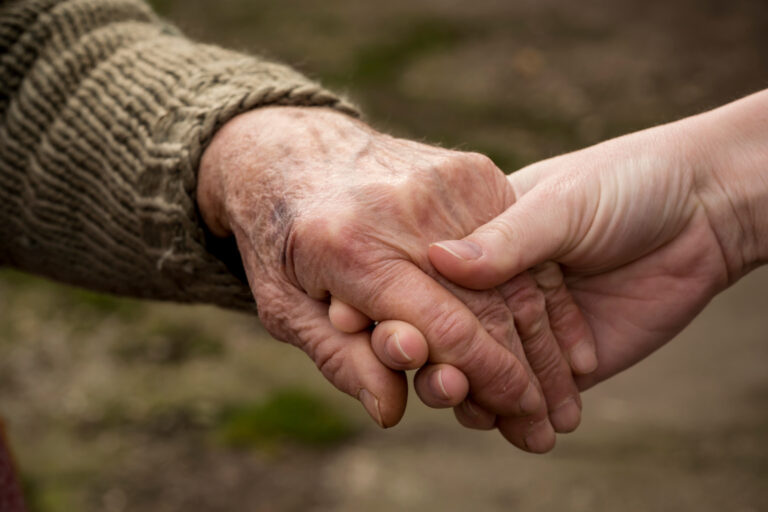
Retirement hobbies can indeed play a significant role in protecting against dementia by keeping the brain active, engaged, and healthy. When people retire, they often face a sudden change in daily routine and mental stimulation, which can lead to cognitive decline if not addressed. Engaging in hobbies that challenge the mind, encourage social interaction, and promote physical activity helps build cognitive reserve—the brain’s ability to adapt and resist damage—thereby reducing the risk or delaying the onset of dementia.
One of the most beneficial hobbies for retirees is **gardening**. Gardening is not only physically engaging but also mentally stimulating. It requires planning, problem-solving, and multitasking, which exercise various cognitive functions. The physical activity involved improves blood flow to the brain, while the sensory experience of working with plants and soil can reduce stress and boost mood. Studies have shown that regular gardening can reduce the risk of dementia by a significant margin, making it a powerful protective activity. Even light gardening for 20 minutes a day can increase brain nerve growth, which supports cognitive health.
**Birdwatching** is another excellent hobby for retirees, especially those who enjoy nature but may have limited mobility. It combines gentle physical activity with mental focus and memory, as identifying different bird species requires attention to detail and learning new information. Birdwatching also encourages patience and mindfulness, which can reduce anxiety and improve overall mental well-being. The social aspect of joining birdwatching groups adds another layer of cognitive and emotional benefit by fostering community and conversation.
**Playing music or learning a musical instrument** is a hobby that deeply engages the brain. Music activates multiple brain areas involved in memory, emotion, and coordination. For older adults, playing an instrument like the ukulele or harmonica can improve memory, mood, and even motor skills. Listening to music also triggers memories and emotions, which can be particularly meaningful for those experiencing early cognitive decline.
**Puzzles, model building, and card games** such as solitaire or bridge are classic hobbies that challenge the brain’s problem-solving, strategic thinking, and concentration skills. These activities require attention to detail and patience, helping to maintain mental sharpness. They are especially suitable for older adults who prefer indoor activities that stimulate the mind without demanding intense physical exertion.
Physical exercise itself is a crucial component of dementia prevention, and many hobbies naturally incorporate movement. Activities like walking, swimming, yoga, dancing, or even gentle gardening increase blood flow to the brain and promote neuroplasticity—the brain’s ability to form new connections. Regular physical activity has been linked to slower cognitive decline and better memory retention. Group exercise classes also provide social interaction, which is another protective factor against dementia.
Lifelong learning is a broad category that includes taking classes, learning new skills, or even engaging in mentally challenging hobbies like language learning or creative writing. These activities build cognitive reserves by continuously stimulating the brain, encouraging new neural pathways, and keeping memory and reasoning skills sharp.
Social engagement through hobbies is equally important. Many retirees find that joining clubs, groups, or classes related to their hobbies provides meaningful social connections. Social interaction combats loneliness and depression, both of which are risk factors for cognitive decline. Whether it’s a gardening club, a birdwatching group, or a music ensemble, the social aspect enhances the cognitive benefits of the hobby.
Nutrition and lifestyle also play a supporting role in protecting the brain. While not a hobby per se, retirees who engage in hobbies that involve cooking or growing their own food often adopt healthier diets rich in antioxidants, omega-3 fatty acids, and vitamins that support brain health. Combining a healthy diet with mentally and physically stimulating hobbies creates a comprehensive approach to reducing dementia risk.
In essence, retirement hobbies protect against dementia by providing a combination of mental challenge, physical activity, social interaction, and emotional satisfaction. They keep the brain engaged in new learning and problem-solving, promote healthy blood flow and neuroplasticity, and reduce stress and isolation. The key is t