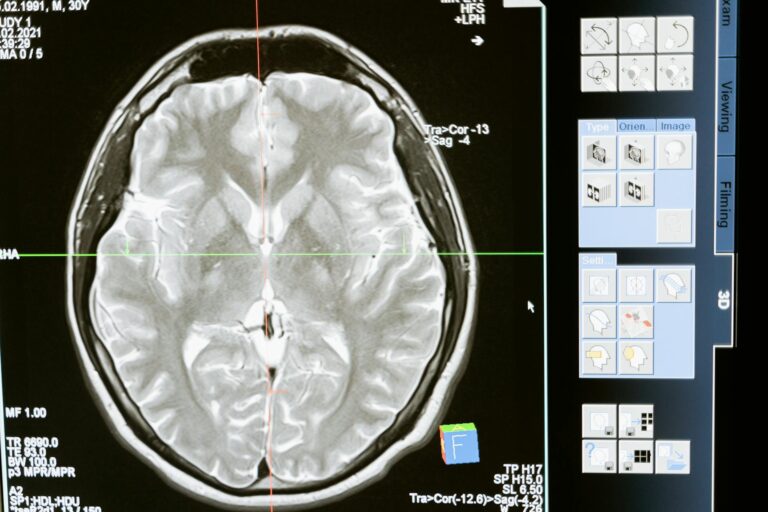
Reducing sugar intake may help lower the risk of dementia by improving brain health and reducing factors that contribute to cognitive decline. Research shows that high sugar consumption can lead to insulin resistance, inflammation, and damage to blood vessels in the brain, all of which are linked to an increased risk of dementia, including Alzheimer’s disease. For example, the Framingham Heart Study found that drinking sugary beverages is associated with memory problems and a higher chance of developing dementia. Sugary drinks like sodas and fruit juices can cause brain shrinkage and impair cognitive function by worsening insulin resistance and inflammation[1].
High blood sugar, whether from diabetes or prediabetes, is a strong risk factor for dementia. Elevated blood sugar damages tiny blood vessels in the brain, reducing blood flow and harming brain cells. People with prediabetes have a 15 to 32 percent higher risk of dementia, while those with diabetes have a 35 to 55 percent higher risk compared to people with normal blood sugar levels[2]. Managing blood sugar through diet and lifestyle changes can therefore be an important step in reducing dementia risk.
Diets that limit sugar and processed foods, such as the MIND diet—a combination of the Mediterranean and DASH diets—have been shown to protect brain health and lower the risk of dementia. This diet emphasizes whole grains, vegetables, berries, nuts, and fish while reducing intake of unhealthy processed foods and sugars. Studies suggest that following such diets slows biological aging and improves metabolic health, which helps reduce dementia risk[4].
It is also worth noting that artificial sweeteners, often used as sugar substitutes, have been linked in some studies to declines in memory and thinking skills, suggesting that simply replacing sugar with artificial sweeteners may not fully eliminate risks to brain health[3].
Overall, reducing sugar intake can help lower dementia risk by preventing high blood sugar, reducing inflammation, and protecting brain blood vessels. Combining this with a healthy diet and lifestyle may offer the best protection against cognitive decline.
Sources
https://optoceutics.com/does-sugar-cause-dementia-alzheimers-cause-memory-eating/
https://www.aarp.org/health/conditions-treatments/modifiable-risk-factors-of-dementia/
https://www.medicalnewstoday.com/articles/artificial-sweeteners-and-brain-aging-what-we-know-so-far
https://pmc.ncbi.nlm.nih.gov/articles/PMC12615346/
https://www.health.harvard.edu/mind-and-mood/several-risk-factors-in-midlife-may-lead-to-dementia