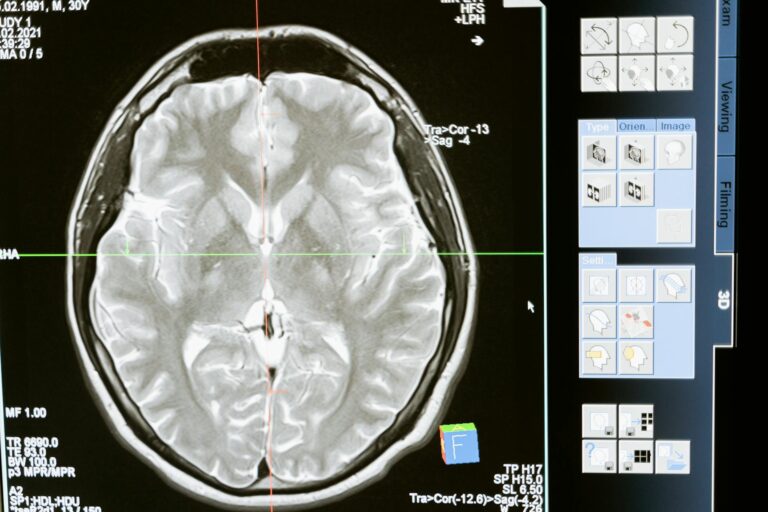
Noise is a common part of everyday life, but its impact on the brain is more significant than many realize. When noise levels are high, it can interfere with how well the brain functions. Reducing noise can help improve brain performance in several ways.
First, loud or constant noise can cause stress and distraction. When the brain is exposed to unwanted sounds, it has to work harder to focus on tasks. This extra effort can reduce attention span and make it difficult to concentrate. Lower noise levels create a calmer environment, allowing the brain to focus better and process information more efficiently.
Second, noise reduction can improve memory and learning. Studies show that quieter environments help people retain information and perform better on cognitive tests. This is because noise can disrupt the brain’s ability to encode and recall memories. When noise is minimized, the brain can store and retrieve information more effectively.
Third, reducing noise can benefit mental health. Chronic exposure to noise pollution has been linked to increased anxiety and depression. A quieter setting can lower stress hormones and promote a sense of well-being, which supports overall brain health.
Finally, noise reduction may enhance creativity and problem-solving skills. A peaceful environment allows the brain to think more clearly and make connections between ideas without interruption.
In summary, lowering noise levels can improve brain functioning by reducing stress, enhancing focus, boosting memory, and supporting mental health. Creating quieter spaces at home, work, or school can help the brain perform at its best.
Sources
https://www.news-medical.net/news/20251116/Low-intensity-noise-therapy-shows-how-tuning-sound-to-the-brain-can-ease-tinnitus.aspx
https://pmc.ncbi.nlm.nih.gov/articles/PMC12570825/
https://www.nature.com/articles/s41467-025-64681-8