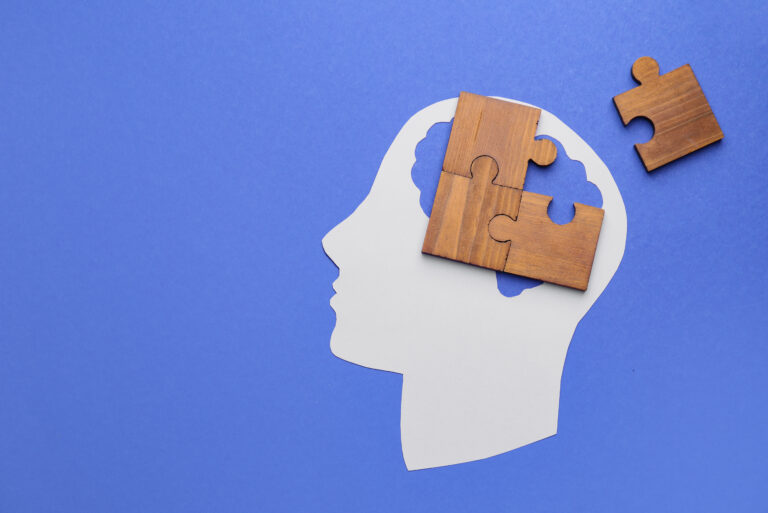
Puzzles and games have long been cherished as enjoyable pastimes, but beyond entertainment, they may play a meaningful role in reducing the risk of dementia. Dementia, a condition characterized by a decline in memory, thinking, and reasoning skills, affects millions worldwide. While aging is a natural risk factor, engaging in mentally stimulating activities like puzzles and games can help maintain brain health and potentially delay or reduce the onset of dementia symptoms.
At the core of this idea is the concept of **cognitive stimulation**. When you solve puzzles, play strategy games, or engage in mentally challenging activities, you actively exercise your brain. This mental workout strengthens neural connections and promotes **neuroplasticity**, which is the brain’s ability to adapt and reorganize itself. By continuously challenging your mind, you build a cognitive reserve that can help compensate for age-related changes or brain damage, effectively slowing cognitive decline.
Puzzles such as crosswords, Sudoku, jigsaw puzzles, and brain teasers require attention, memory, problem-solving, and reasoning skills. These activities stimulate different parts of the brain, encouraging it to work harder and stay sharp. For example, playing chess not only involves strategic thinking but also requires planning, foresight, and social interaction when played with others. This combination of mental challenge and social engagement is particularly beneficial because social connections themselves are linked to better brain health and lower dementia risk.
Games and puzzles also help reduce **stress**, which is important because chronic stress can negatively affect memory and cognitive function. Enjoyable activities promote relaxation and emotional well-being, creating a positive environment for brain health. When you have fun solving a puzzle or playing a game, your brain releases feel-good chemicals that support mental resilience.
Moreover, many puzzles and games encourage **social interaction**, whether it’s playing cards with friends, joining a chess club, or participating in group trivia. Social engagement stimulates the brain by requiring communication, memory recall, and emotional processing. It also combats loneliness and isolation, which are risk factors for cognitive decline.
The benefits of puzzles and games are not limited to mental stimulation alone. They often involve **physical components**—like moving puzzle pieces or handling cards—which engage fine motor skills and coordination. Some games even combine physical activity with cognitive challenges, such as dance-based video games or tai chi with mental focus, further enhancing brain health.
It’s important to note that while puzzles and games are valuable tools, they are most effective as part of a broader lifestyle approach to dementia prevention. This includes regular physical exercise, a healthy diet, quality sleep, and managing cardiovascular health. Together, these factors create an environment where the brain can thrive.
For older adults, especially those at risk of dementia, incorporating puzzles and games into daily routines can be a practical and enjoyable way to maintain cognitive function. Many senior centers and community groups offer opportunities to engage in these activities, providing both mental stimulation and social connection.
In essence, puzzles and games serve as a form of mental exercise that keeps the brain active, reduces stress, and fosters social bonds—all of which contribute to lowering the risk of dementia. They transform the challenge of aging into an opportunity for growth, engagement, and joy, making them a powerful ally in the quest for lifelong brain health.