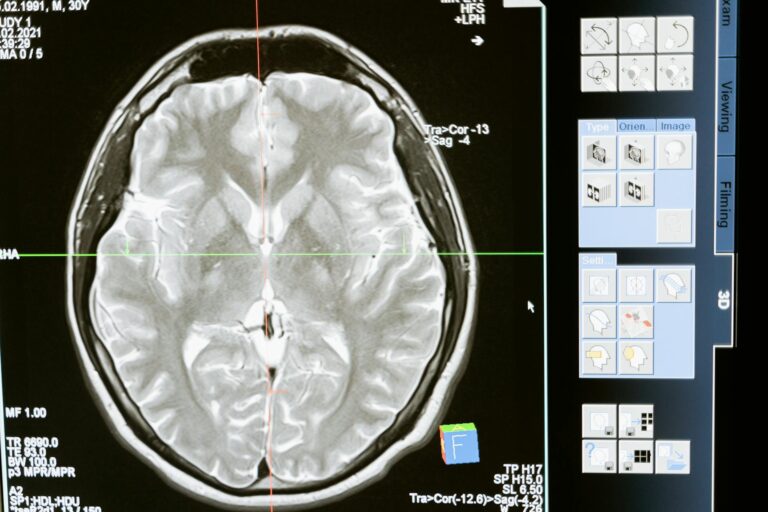
Living with a clear sense of purpose can play a significant role in supporting long-term brain health. Research shows that people who have a strong purpose in life tend to have better mental resilience, which helps protect the brain as it ages. For example, studies have found that individuals with a higher sense of purpose have larger volumes of white matter in the brain, which is crucial for communication between different brain regions. This structural benefit is linked to a lower risk of cognitive decline and diseases like Alzheimer’s[1][4].
Having a purpose often motivates people to engage in healthier behaviors, such as regular physical activity, maintaining social connections, and managing stress effectively. These behaviors are known to support brain health by improving circulation, reducing inflammation, and promoting the growth of new brain cells. Exercise, in particular, has been shown to slow cognitive aging and reduce the risk of dementia[2][3].
Mental engagement is another important factor. People who pursue meaningful goals often challenge their brains through learning, problem-solving, or creative activities. This mental stimulation builds cognitive reserve, which helps the brain adapt and maintain function even in the face of age-related changes or damage[2].
Purpose-driven living also supports emotional well-being by reducing depression, anxiety, and suicidal thoughts, all of which can negatively impact brain health. A meaningful life encourages positive social interactions and stress management techniques like mindfulness, which further protect cognitive function[1][5].
In summary, living with purpose encourages a lifestyle that combines physical activity, mental stimulation, and emotional balance. These elements work together to promote brain health and may help delay or reduce cognitive decline over time.
Sources
https://www.sciencefocus.com/wellbeing/purpose-brain-ageing
https://beingpatient.com/science-backed-brain-health-lifestyle-changes/
https://pmc.ncbi.nlm.nih.gov/articles/PMC12572819/
https://www.healthbanks.com/PatientPortal/MyPractice.aspx?UAID=%7BCA2E7E29-3E7F-46E6-9ECE-F2A9BC035B4B%7D&TabID=%7BX%7D&ArticleID=1756316905144
https://health.stonybrookmedicine.edu/what-is-biohacking-separating-fact-from-hype/