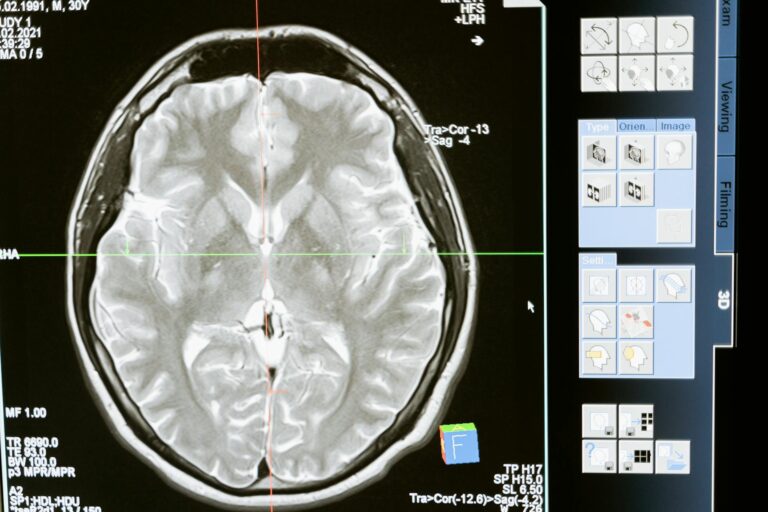
Proper vitamin intake can support memory retention by providing essential nutrients that help maintain brain health and cognitive function. Vitamins such as B12, folate, vitamin E, and others play important roles in protecting brain cells, supporting nerve function, and reducing factors that contribute to cognitive decline.
Vitamin B12 is crucial for energy metabolism and the formation of myelin, the protective sheath around nerves, which is vital for efficient brain signaling. Deficiency in B12 has been linked to structural brain changes and elevated homocysteine levels, both associated with memory problems and cognitive decline. Folate, another B vitamin, may improve mental function, especially in older adults with high homocysteine levels. However, studies on B6 and combined B vitamin supplements show mixed results, with some failing to demonstrate significant benefits for memory[2][3].
Vitamin E acts as a powerful antioxidant that protects brain cells from damage caused by free radicals. Some research suggests that consuming foods rich in vitamin E, such as nuts and leafy vegetables, may lower the risk of early cognitive decline and support healthy brain aging[3].
Other nutrients like choline are essential for producing acetylcholine, a neurotransmitter important for memory and learning. Magnesium supports neuroplasticity and nervous system regulation, which are important for cognitive processes. Polyphenols found in plant-based foods may reduce brain inflammation and enhance neuronal resilience, potentially boosting memory and learning[3].
While some supplements and vitamins show promise, evidence is often limited or mixed. For example, multivitamins may improve immediate recall but not delayed recall or verbal fluency. Ginseng and creatine have shown some cognitive benefits in specific studies but are not universally effective[1][2].
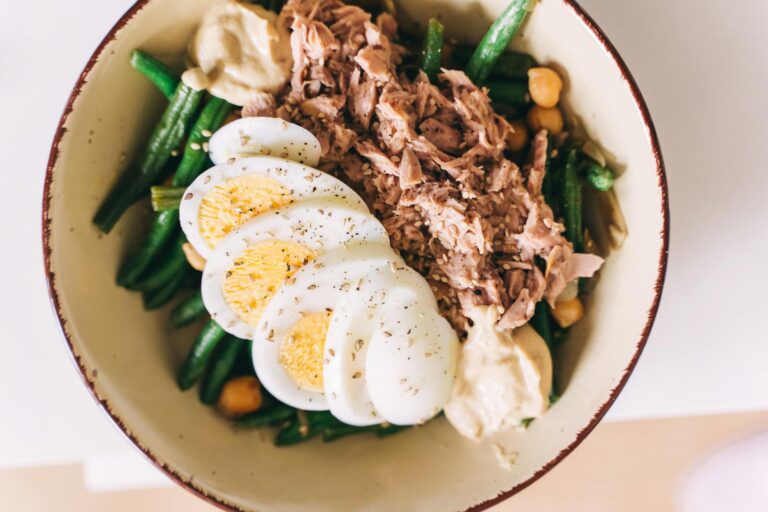
Incorporating a balanced diet rich in these vitamins and nutrients—through foods like eggs, nuts, leafy greens, fish, and seeds—can help support memory retention and overall brain health. However, vitamin supplementation should be approached carefully, especially in older adults or those with deficiencies, and ideally under medical guidance.
Sources
https://www.droracle.ai/articles/490499/what-supplements-can-improve-memory-and-cognition
https://www.ebsco.com/research-starters/complementary-and-alternative-medicine/natural-treatments-memory-and-mental
https://timesofindia.indiatimes.com/life-style/health-fitness/diet/from-vitamin-b12-to-folate-scientist-shares-8-essential-nutrients-to-support-brain-longevity/articleshow/124897987.cms
https://www.nu.edu/blog/best-brain-foods-for-studying/
https://pmc.ncbi.nlm.nih.gov/articles/PMC12543131/