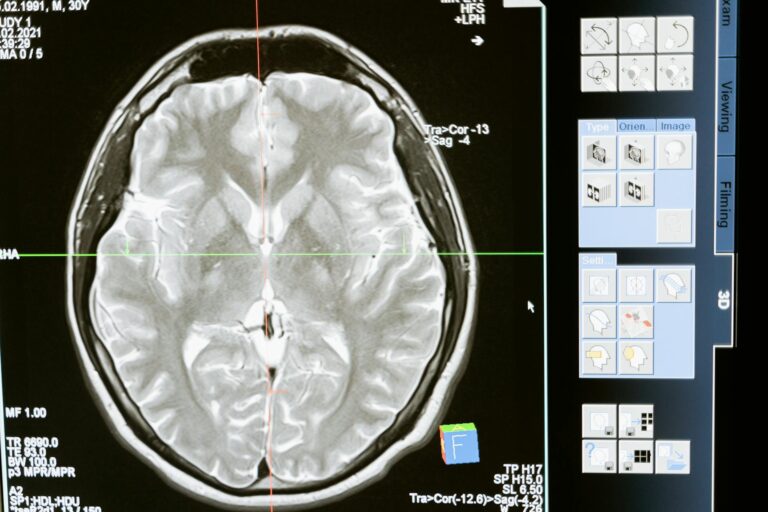
Parkinson’s disease can indeed cause vision problems that affect driving, and these issues arise from a combination of motor, cognitive, and visual-perceptual changes associated with the disease. Parkinson’s is primarily known for its impact on movement, but it also affects how the brain processes visual information and controls eye functions, which are critical for safe driving.
One of the main ways Parkinson’s affects vision while driving is through **visual-perceptual difficulties**. People with Parkinson’s may experience problems with depth perception, contrast sensitivity, and spatial judgment. Depth perception is the ability to judge how far away objects are, which is essential for tasks like gauging the distance to other cars or judging when to stop at a traffic light. Contrast sensitivity affects how well a person can see objects against a background, especially in low light or foggy conditions. Spatial judgment helps drivers understand their position on the road and navigate turns or lane changes safely. When these visual skills are impaired, it can lead to misjudgments that increase the risk of accidents.
In addition to these perceptual issues, Parkinson’s can cause **dry eyes, blurry vision, and light sensitivity**. These symptoms often result from reduced blinking and changes in tear production, which are common in Parkinson’s. Dry eyes can cause discomfort, blurred vision, and difficulty focusing, especially during long periods of driving. Light sensitivity can make it hard to drive at night or in bright sunlight, causing glare that distracts or temporarily blinds the driver.
Motor symptoms of Parkinson’s also indirectly affect vision during driving. Tremors, rigidity, and slowed movements (bradykinesia) can make it difficult to control the steering wheel smoothly, shift gears, or respond quickly to sudden changes in traffic. These motor impairments can reduce the driver’s ability to execute precise movements needed for safe driving. Moreover, the coordination between eye movements and hand movements may be disrupted, making it harder to track moving objects or scan the environment effectively.
Cognitive changes linked to Parkinson’s further complicate driving safety. Many people with Parkinson’s experience mild cognitive impairment early in the disease, which can affect attention, processing speed, problem-solving, and memory. These cognitive functions are crucial for interpreting visual information quickly and making safe driving decisions. For example, slower mental processing can delay reaction times to hazards, and reduced attention can cause missed traffic signs or signals.
The symptoms of Parkinson’s can fluctuate throughout the day, often influenced by medication timing. At times when medication effects wear off, motor and cognitive symptoms may worsen, increasing the risk of vision-related driving problems. This variability means that a person with Parkinson’s might drive safely at some times but face greater challenges at others.
Because of these complex and interacting factors, driving safety evaluations for people with Parkinson’s are important. These assessments look at motor skills, cognitive function, and visual-perceptual abilities to determine whether a person can drive safely and what accommodations or interventions might help. Some individuals with Parkinson’s can continue to drive safely with proper monitoring, medication management, and adaptive strategies, while others may need to limit or stop driving as the disease progresses.
In summary, Parkinson’s disease can cause vision problems that impact driving through visual-perceptual deficits, dry eyes, blurry vision, and light sensitivity, combined with motor and cognitive impairments. These challenges affect the ability to judge distances, respond to hazards, and control the vehicle, making careful evaluation and management essential for maintaining safety on the road.