Parkinson’s disease can indeed cause sudden changes in handwriting size, often manifesting as a condition called **micrographia**, where handwriting becomes abnormally small and cramped. This change can sometimes appear suddenly or progressively worsen over time. People with Parkinson’s may notice their letters shrinking as they write, making their handwriting difficult to read. This is a common early sign of the disease and is closely linked to the motor control difficulties caused by Parkinson’s.
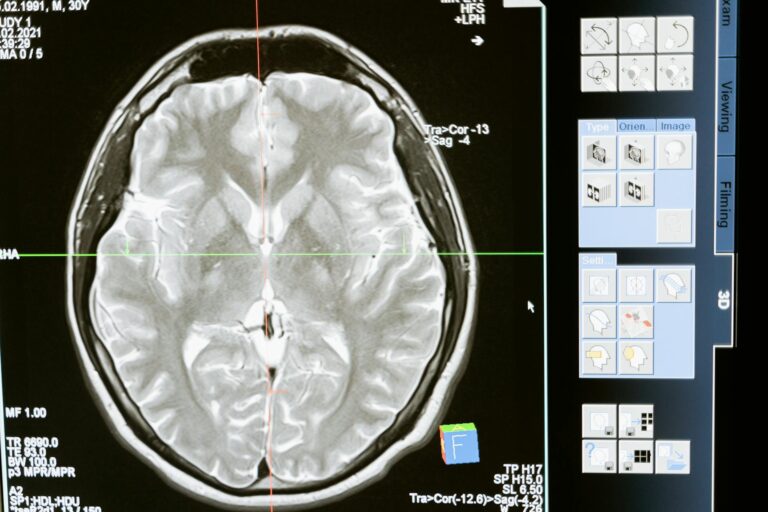
The reason handwriting changes occur in Parkinson’s is tied to how the disease affects the brain’s control over movement. Parkinson’s primarily impacts the **basal ganglia**, a group of structures deep in the brain responsible for regulating smooth, coordinated movements. When these areas are damaged, it leads to symptoms like **bradykinesia** (slowness of movement), **rigidity** (muscle stiffness), and tremors. These motor symptoms make fine motor tasks, such as writing, challenging. As a result, the hand movements needed to form letters become smaller and less controlled, causing handwriting to shrink and become cramped.
Micrographia can present in two main ways: it might be a **constant small size** of handwriting from the start, or it can be **progressive**, where the letters start at a normal size but gradually get smaller as the person continues writing. This progressive shrinking is particularly frustrating because it can make writing tiring and difficult to maintain, leading to communication problems.
Besides the size of handwriting, Parkinson’s can also cause other changes in writing, such as shakiness or tremulous strokes due to the characteristic tremor of the disease. The combination of tremor, rigidity, and slowed movement affects the smoothness and legibility of handwriting.
The suddenness of these changes can vary. For some, handwriting size may reduce gradually over months or years as the disease progresses. For others, especially when symptoms worsen or during “off” periods when medication effects wear off, handwriting size may change more abruptly. Stress, fatigue, or fluctuations in medication can also influence the severity of micrographia at any given time.
It’s important to recognize that micrographia is not just a cosmetic issue but a reflection of the underlying motor control problems in Parkinson’s. It signals that the fine motor circuits in the brain are affected, which also impacts other daily activities requiring dexterity, such as buttoning clothes or using utensils.
In addition to motor symptoms, Parkinson’s disease involves non-motor symptoms that can indirectly affect handwriting. For example, fatigue, cognitive slowing, or anxiety might reduce concentration or motivation, making handwriting appear more labored or inconsistent.
Therapeutic approaches to manage handwriting changes include medication adjustments to improve motor control, occupational therapy focusing on fine motor skills, and assistive devices like larger pens or writing guides. Some patients benefit from exercises designed to maintain hand strength and coordination, which can help slow the progression of micrographia.
In summary, Parkinson’s disease can cause sudden or gradual changes in handwriting size due to its impact on the brain’s motor control systems. Micrographia, characterized by small, cramped handwriting, is a hallmark symptom reflecting the disease’s effect on fine motor skills. These changes are part of the broader motor challenges Parkinson’s patients face and can fluctuate depending on disease progression and treatment status.