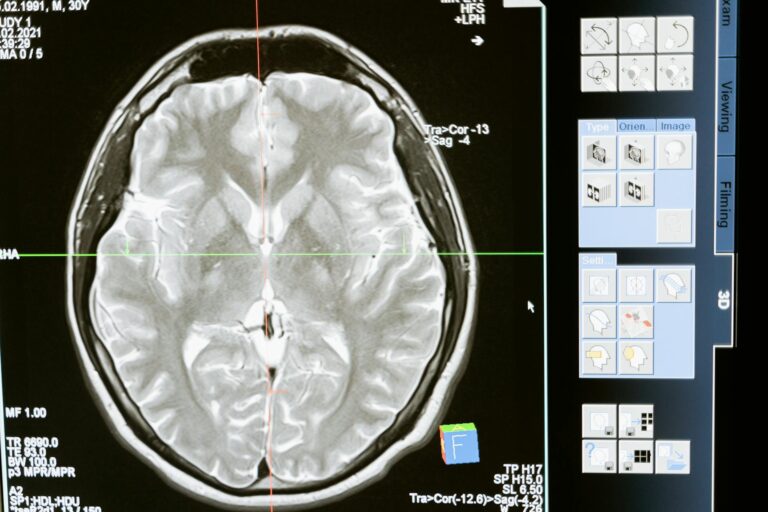
Parkinson’s disease can indeed cause slow thinking and delayed responses. This is because Parkinson’s is not only a movement disorder but also affects cognitive functions, including the speed at which the brain processes information. Many people with Parkinson’s experience what is called cognitive impairment, which involves difficulties in attention, memory, problem-solving, and especially slower mental processing.
The root of these cognitive changes lies in the loss of dopamine-producing cells in a part of the brain called the substantia nigra. Dopamine is crucial for regulating movement as well as supporting working memory and other aspects of cognition. As dopamine levels drop due to Parkinson’s progression, both physical movements and mental processes can become slower or more difficult to initiate.
Cognitive symptoms may appear early or later during the course of Parkinson’s disease. Some individuals notice mild forgetfulness or trouble focusing even around diagnosis time, while others develop more noticeable delays in thinking speed as their condition advances. These changes often do not interfere dramatically with daily life at first but can gradually affect how quickly someone responds to questions or solves problems.
In addition to slowed thinking speed (sometimes described as “bradyphrenia”), people with Parkinson’s might have difficulty multitasking or switching between tasks efficiently because their brains process information less rapidly than before. This means that when faced with complex situations requiring quick decisions or rapid understanding, they may take longer than usual to respond.
Other factors linked to Parkinson’s—such as anxiety, depression, sleep disturbances like REM sleep behavior disorder, hearing loss, and cardiovascular issues—can worsen cognitive slowing by further impacting brain function. For example:
– Anxiety and depression are common non-motor symptoms that correlate with increased risk for memory problems.
– Sleep disorders disrupt restorative rest needed for optimal brain performance.
– Hearing impairments make it harder to process spoken information promptly.
– Vascular conditions like stroke damage brain areas involved in cognition.
Because these elements often coexist alongside primary dopamine-related changes caused by Parkinson’s itself, they contribute collectively to delayed responses and slow thinking.
It is important for individuals experiencing such symptoms to discuss them openly with their healthcare providers who specialize in movement disorders. Neuropsychological evaluations can help measure specific types of cognitive impairment related to Parkinson’s disease so that tailored strategies can be developed for coping effectively.
Management approaches include medication adjustments aimed at optimizing dopamine levels; behavioral techniques such as breaking tasks into smaller steps; using reminders; engaging regularly in mentally stimulating activities; addressing mood disorders through therapy or medication; treating hearing loss if present; improving sleep quality; and building strong social support networks—all designed to maintain mental sharpness despite challenges posed by this progressive neurological condition.
While slowed thinking due directly to Parkinson’s cannot be completely reversed currently, many people find ways through treatment plans and lifestyle adaptations that allow them continued engagement in meaningful activities without overwhelming frustration from delayed mental responses. Understanding that these cognitive changes are part of the disease helps reduce stress around them while encouraging proactive management focused on quality of life improvements over time.