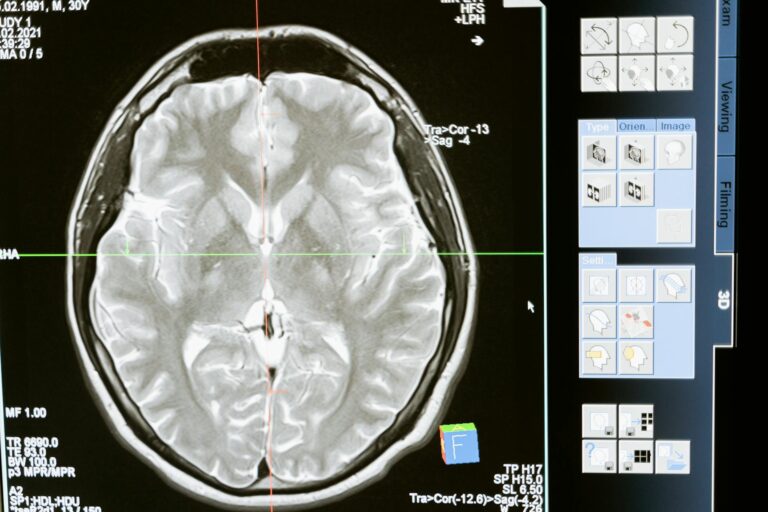
Parkinson’s disease, primarily known as a movement disorder, can indeed be associated with muscle-related discomfort, including sharp muscle pains, although this is not the most commonly highlighted symptom. The disease causes a progressive loss of dopamine-producing nerve cells in the brain, which disrupts normal muscle control and movement. This disruption often leads to muscle stiffness, rigidity, and sometimes painful sensations in the muscles.
Muscle stiffness or rigidity is a hallmark motor symptom of Parkinson’s disease. This stiffness means that muscles remain in a contracted state longer than normal, which can limit movement and cause discomfort. While this stiffness is often described as a constant tightness or aching, it can also manifest as sharp, sudden muscle pains or cramps. These sharp pains may arise because the muscles are not relaxing properly or because of abnormal muscle contractions triggered by the disease’s impact on the nervous system.
In addition to rigidity, Parkinson’s can cause other motor symptoms such as tremors, slowness of movement, and impaired balance, all of which can contribute indirectly to muscle pain. For example, the altered posture and gait changes common in Parkinson’s can place unusual strain on muscles and joints, leading to pain that may feel sharp or stabbing at times. Muscle cramps and spasms, which are involuntary and often painful contractions, can also occur and contribute to sharp muscle pain sensations.
The nervous system involvement in Parkinson’s means that pain perception can be altered. Some people with Parkinson’s report experiencing pain more intensely or in unusual ways. This altered pain processing can make muscle pain feel sharper or more severe than it might otherwise be.
Non-motor symptoms of Parkinson’s, such as sleep disturbances and anxiety, can exacerbate muscle pain. Poor sleep can increase muscle tension and reduce the body’s ability to recover, while anxiety can heighten muscle tightness and sensitivity to pain.
It is important to recognize that not everyone with Parkinson’s will experience sharp muscle pains, and the severity and type of pain can vary widely among individuals. Some may have mild discomfort, while others may suffer from significant pain that impacts their quality of life.
Management of muscle pain in Parkinson’s often involves a combination of approaches. Medications that increase dopamine levels or mimic its action can help reduce rigidity and improve muscle relaxation. Physical therapy and regular exercise are crucial for maintaining muscle flexibility and strength, which can reduce pain. Stretching exercises, massage, and sometimes pain-relief medications are also used to address muscle discomfort.
In some cases, sharp muscle pains may be related to secondary issues such as nerve compression or musculoskeletal problems caused by Parkinson’s-related postural changes. These conditions may require additional treatments like chiropractic care, orthotics, or targeted physical therapy.
Overall, while Parkinson’s disease is primarily characterized by movement difficulties, it can cause sharp muscle pains due to muscle rigidity, spasms, altered posture, and changes in pain perception. Addressing these pains requires a comprehensive approach tailored to the individual’s symptoms and disease progression.