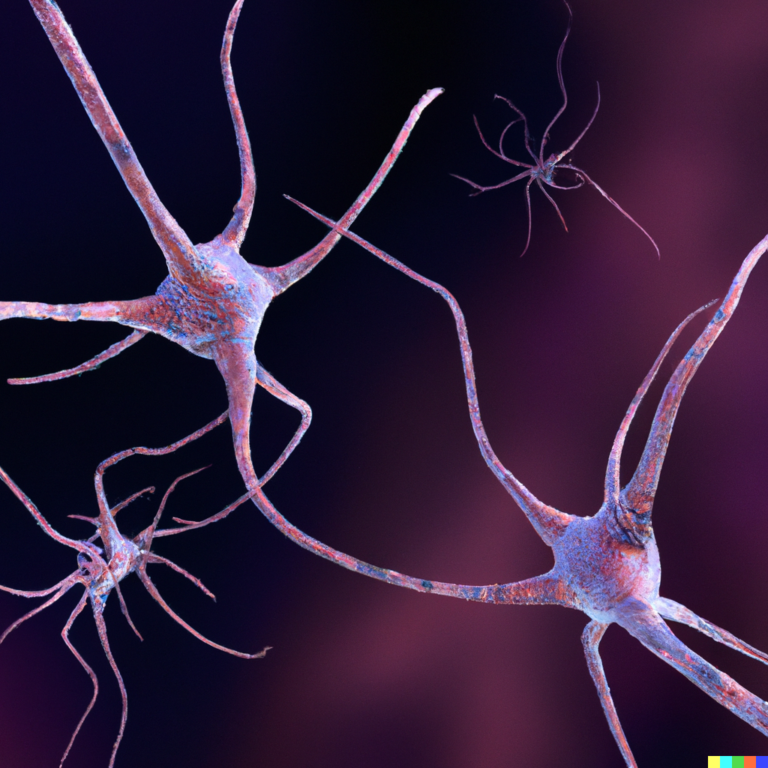
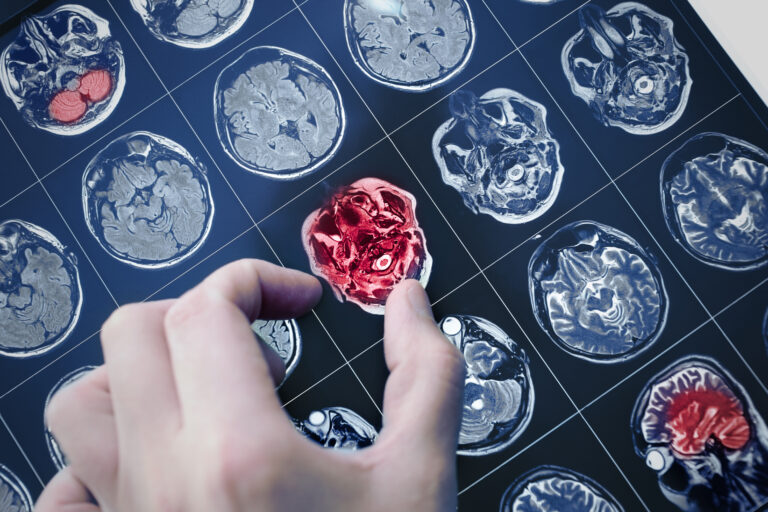
Magnetic Resonance Imaging (MRI) scans can indeed show brain changes in Huntington’s disease (HD), providing valuable insights into the progression and effects of this neurodegenerative disorder. Huntington’s disease is characterized by the gradual breakdown of neurons, particularly in specific brain regions such as the basal ganglia, which includes structures like the caudate nucleus and putamen. MRI scans are a powerful tool to visualize these structural changes non-invasively.
In Huntington’s disease, MRI typically reveals **atrophy**, or shrinkage, of the caudate and putamen. These areas are crucial for motor control and cognitive functions, and their degeneration leads to the hallmark symptoms of HD, including movement disorders, cognitive decline, and psychiatric issues. The atrophy seen on MRI correlates with the severity and progression of the disease, often becoming more pronounced as symptoms worsen. This makes MRI a useful method not only for diagnosis but also for monitoring disease progression over time.
Beyond structural changes, advanced MRI techniques can detect more subtle alterations in brain tissue. For example, quantitative MRI methods can assess changes in brain iron levels, which may be elevated in neurodegenerative diseases and contribute to neuronal damage. While this has been studied more extensively in conditions like Alzheimer’s disease, similar approaches may help understand Huntington’s disease pathology as well.
Functional imaging studies complement MRI by showing metabolic changes in the brain. Positron Emission Tomography (PET) scans often reveal reduced glucose metabolism in the basal ganglia of HD patients, indicating impaired neuronal function even before significant structural loss occurs. MRI combined with PET can provide a comprehensive picture of both anatomical and functional brain changes.
In pediatric or pre-symptomatic Huntington’s disease, MRI can detect early brain changes before clinical symptoms appear. This is crucial for early intervention and understanding disease mechanisms. Research has shown that even in these early stages, there is measurable atrophy and metabolic dysfunction in key brain regions.
Overall, MRI scans are a cornerstone in studying Huntington’s disease because they allow visualization of the characteristic brain changes—especially in the basal ganglia—that underlie the disease’s symptoms. They help clinicians track disease progression, evaluate the effectiveness of treatments, and deepen scientific understanding of how Huntington’s disease affects the brain over time.