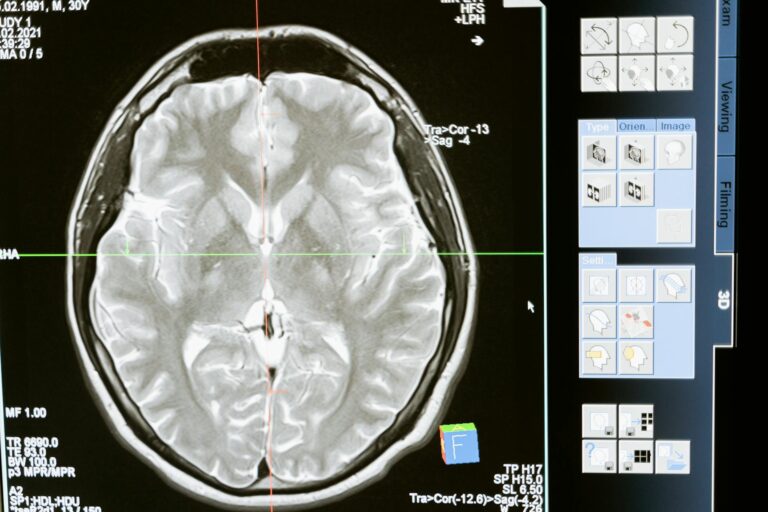
Movement breaks can improve cognitive performance by enhancing attention, memory, and executive functions. Research shows that incorporating physical activity into daily routines helps the brain stay alert and ready to learn, especially in children but also in adults. Movement stimulates brain areas involved in thinking and problem-solving, making it easier to focus and process information after a break.
In young children, active movement is linked to better cognitive development, including improved memory, attention, and the ability to plan and solve problems. Studies have found that physical activity interventions in preschool settings significantly boost executive functions and attention. These benefits come not only from formal exercise but also from simple, integrated movement breaks during the day, such as stretching or cross-lateral movements. These breaks help children refocus and reduce fussiness, supporting their readiness to engage in learning tasks[1].
For adults, especially older adults, physical activity is associated with maintaining cognitive health and preventing decline. Regular movement supports brain connectivity and function, which are crucial for memory and thinking skills. Research using advanced brain imaging and behavioral data suggests that staying physically active helps sustain cognitive abilities over time. This is important for reducing risks of dementia and other cognitive impairments[2][4][5].
However, some studies note that the direct link between exercise and cognitive improvement can vary depending on factors like age, health status, and the type or intensity of activity. While many agree that movement benefits cognition, the size of these effects and the best ways to implement movement breaks are still being studied[3].
Overall, movement breaks are more than just physical refreshers; they actively support brain function by increasing blood flow, stimulating neural activity, and providing mental rest that enhances focus and memory. Integrating short, regular movement breaks into work or study routines can be a practical way to boost cognitive performance.
Sources
https://www.childcareed.com/a/the-connection-between-movement-and-cognitive-growth.html
https://academic.oup.com/pnasnexus/article/4/10/pgaf304/8292700
https://journals.plos.org/plosone/article?id=10.1371%2Fjournal.pone.0334924
https://www.ideals.illinois.edu/items/137417
https://www.nature.com/articles/s41598-025-22541-x