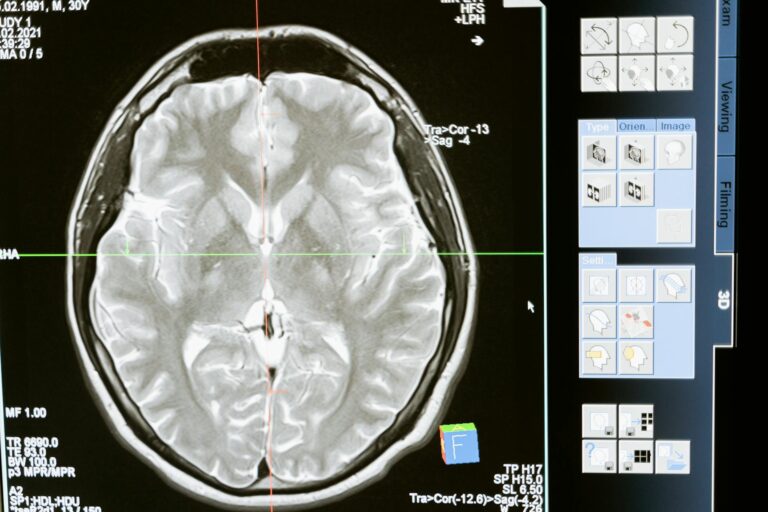
Morning gratitude moments can improve emotional stability by activating brain regions involved in emotional regulation and reducing stress hormones, which helps create a calmer, more resilient mindset. Practicing gratitude early in the day shifts focus from worries to appreciation, fostering a positive emotional tone that supports better mood and mental well-being.
Gratitude is more than just saying thank you; it is a mindset that encourages noticing and appreciating the positive aspects of life. Neuroscience research shows that gratitude activates areas of the brain such as the prefrontal cortex and anterior cingulate cortex, which are linked to decision-making, empathy, and emotional control. This activation helps strengthen the brain’s ability to manage emotions and savor positive experiences over time[2][7].
Physiologically, gratitude triggers the parasympathetic nervous system, which is responsible for the “rest and digest” response. This reduces the production of stress hormones like cortisol, lowering overall stress levels and promoting relaxation[1][4]. By calming the nervous system, gratitude helps the body shift from a state of defense to one of repair and balance, which is essential for emotional stability[4].
In practical terms, starting the day with a gratitude ritual—such as writing down three things you are thankful for or silently acknowledging what you appreciate—can set a positive tone for the day. This practice helps reduce morning anxiety by redirecting attention away from worries and toward meaningful, uplifting thoughts[3]. Over time, these moments build emotional resilience, making it easier to cope with challenges and setbacks[2].
Gratitude also supports healthier habits and stronger social connections, both of which contribute to emotional well-being. People who regularly practice gratitude tend to sleep better, experience less depression and anxiety, and maintain more supportive relationships[1][2]. This holistic effect on mind and body reinforces emotional stability by creating a foundation of psychological safety and positive engagement with life[6].
In summary, morning gratitude moments improve emotional stability by rewiring brain circuits related to emotion, reducing stress hormones, and fostering a mindset of appreciation that enhances mood, resilience, and overall mental health.
Sources
https://www.together4healthwellness.com/gratitude-and-good-health-how-thankfulness-can-improve-your-well-being
https://www.yourcabana.com/blog/from-thanks-to-thriving-gratitudes-impact-on-your-brain
https://shoresidetherapies.com/updates/morning-anxiety-explained-why-you-wake-up-worried-expert-guide-2025
https://www.intuitaswellness.com/our-journal/gratitude-as-medicine-how-your-thoughts-shape-immunity-metabolic-resilience-2
https://www.themindfulnessapp.com/articles/meditation-improves-mental-health-guide
https://www.docseducation.com/blog/5-actionable-ways-gratitude-can-change-your-entire-practice
https://7goodminutes.com/how-gratitude-rewires-your-brain-and-changes-reality/