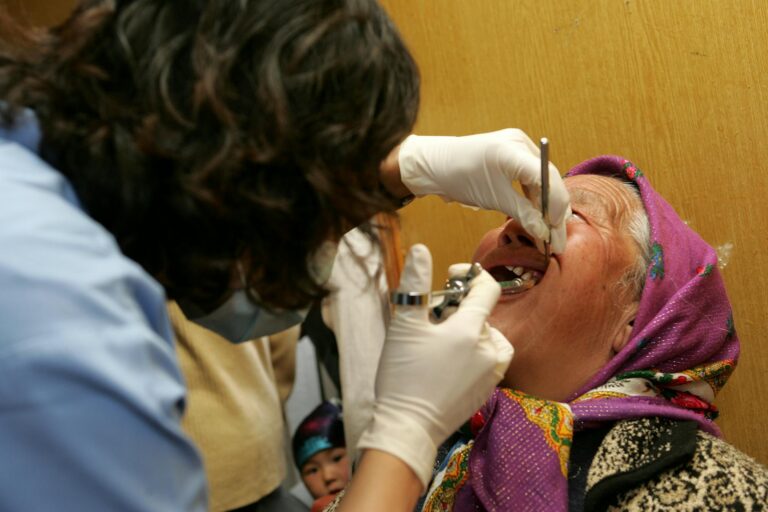
Menopause can indeed cause a metallic taste in the mouth, and this is linked primarily to the hormonal changes that occur during this phase. As women approach menopause, the levels of estrogen and other hormones fluctuate and eventually decline. These hormonal shifts can affect various parts of the body, including the mouth, leading to changes in taste perception.
One key reason for the metallic taste during menopause is the reduction in saliva production, a condition known as dry mouth or xerostomia. Estrogen plays a crucial role in maintaining the moisture and health of oral tissues. When estrogen levels drop, saliva glands may produce less saliva, which not only causes dryness but also alters the way taste buds function. Saliva is essential for dissolving food particles and carrying taste molecules to the taste buds, so less saliva can distort taste sensations, sometimes resulting in a persistent metallic or bitter taste.
Additionally, menopause can contribute to other oral health issues that may indirectly cause a metallic taste. For example, the decline in estrogen can lead to gum problems such as inflammation, bleeding, and increased susceptibility to infections like gingivitis or periodontitis. These gum issues can release substances or cause changes in the mouth environment that contribute to abnormal tastes. Some women also experience burning mouth syndrome during menopause, characterized by a burning or tingling sensation on the tongue and other oral tissues, which can be accompanied by altered taste sensations including metallic tastes.
Stress and anxiety, which are common during menopause due to hormonal and emotional changes, can exacerbate these symptoms. They may affect saliva production further or heighten sensitivity to taste changes. Moreover, certain medications often prescribed during menopause for symptom management or other health conditions might have side effects that include a metallic taste.
It is also important to consider that menopause-related changes in oral health can increase the risk of cavities and infections, which themselves can cause unpleasant tastes. Poor oral hygiene or dental issues that arise or worsen during menopause can contribute to the metallic taste sensation.
In summary, the metallic taste in the mouth during menopause is primarily caused by hormonal changes leading to dry mouth, gum disease, and altered oral tissue health. These changes affect saliva production and taste bud function, resulting in a metallic or bitter taste. Other factors such as burning mouth syndrome, stress, and medication side effects can also play a role. Women experiencing persistent metallic taste during menopause should consider consulting healthcare providers to address oral health and manage symptoms effectively.