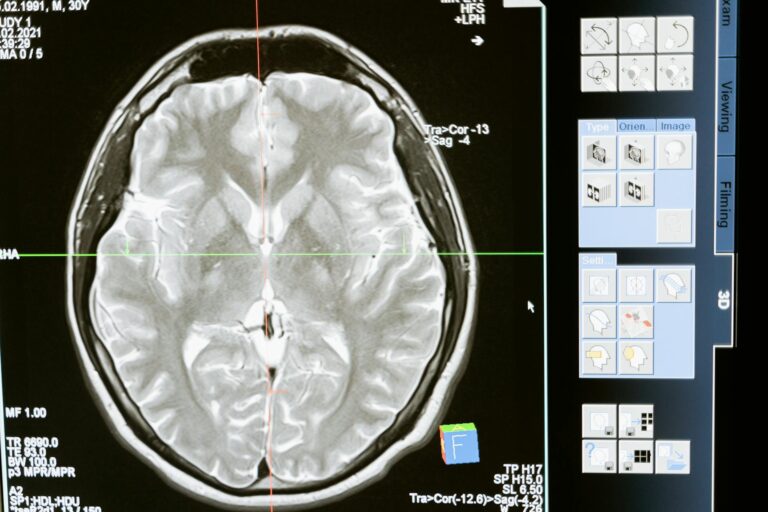
Anxiety is something many people experience, but for older adults, it might be more than just a passing worry. Recent research shows that anxiety could be linked to a higher risk of developing dementia, including Alzheimer’s disease. The good news is that managing anxiety may help lower that risk.
Scientists have found that people who have anxiety, especially as they get older, are more likely to develop cognitive problems down the line. One study showed that anxiety was a risk factor for both mild cognitive impairment and Alzheimer’s disease. In fact, those with anxiety were less likely to develop dementia if they had higher levels of education, which suggests that lifestyle factors can play a role in protecting the brain.
Another important finding is that changes in behavior, like becoming more anxious or withdrawn, can happen before memory problems start. These early signs may be the brain’s way of signaling that something is changing. When anxiety is noticed and addressed early, it could help slow down or even prevent further decline.
There is also evidence that treating anxiety through cognitive rehabilitation can help reduce symptoms and improve overall brain health. This kind of therapy focuses on changing thought patterns and behaviors, which can make a real difference in how people feel and function every day.
Some studies have looked at the timing of anxiety and dementia. People who have anxiety earlier in life may develop dementia at a younger age. The more psychological issues someone has, such as depression or post-traumatic stress, the earlier dementia might start. This means that taking care of mental health throughout life is important for brain health later on.
Medications like benzodiazepines, which are often used for anxiety, have been linked to a higher risk of dementia, especially when used for a long time. This highlights the importance of finding safe and effective ways to manage anxiety without relying too much on medication.
In East Asian populations, psychological disorders have also been shown to increase the risk of cognitive impairment. This suggests that the connection between anxiety and dementia is not limited to one group of people but is a broader issue that affects many.
Taking steps to manage anxiety, whether through therapy, lifestyle changes, or support from loved ones, could be a powerful way to protect the brain. Paying attention to changes in mood and behavior, and seeking help when needed, might make a big difference in the long run.
Sources
https://www.frontiersin.org/journals/neurology/articles/10.3389/fneur.2025.1522340/full
https://www.nature.com/articles/s41598-025-22329-z
https://mind.uci.edu/personality-before-memory-when-subtle-changes-signal-the-earliest-stages-of-dementia/
https://alz-journals.onlinelibrary.wiley.com/doi/10.1002/alz.70677?af=R
https://pubmed.ncbi.nlm.nih.gov/41218578/
https://journals.sagepub.com/doi/10.1177/08982643251391892