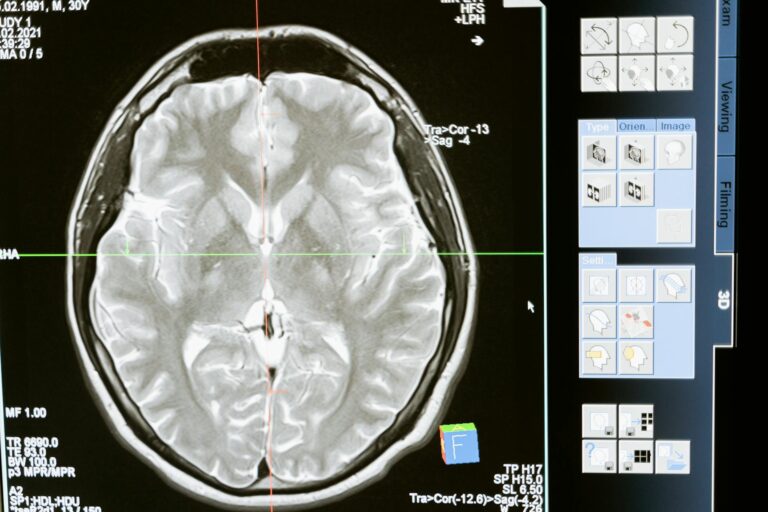
Limiting processed foods can help preserve memory by protecting brain function and reducing the risk of cognitive decline. Research shows that diets high in junk food and ultra-processed foods, which often contain unhealthy fats, refined sugars, and additives, can quickly impair memory and disrupt brain cell activity, especially in the hippocampus, the area responsible for memory. For example, a study found that just four days of consuming a high-fat junk food diet caused abnormal activity in brain cells that led to memory problems, even before weight gain or diabetes developed[1].
Ultra-processed foods are linked to changes in brain structure that may promote overeating and food addiction, which can further harm brain health. These foods often contain industrial additives and chemically altered ingredients that may contribute to inflammation and other harmful effects on the brain[2]. Excessive consumption of such foods is also associated with a higher risk of depression, which itself can impair memory and cognitive function[3].
The negative impact of processed foods on memory is partly due to their role in causing obesity, insulin resistance, and chronic inflammation. These conditions increase oxidative stress in the brain, reduce its ability to repair DNA, and disturb important molecular balances, all of which contribute to faster cognitive decline and a higher risk of dementia[4]. Diets rich in refined carbohydrates, common in many processed foods, also worsen brain health by promoting metabolic dysfunction and brain atrophy, increasing the risk of neurodegenerative diseases like Alzheimer’s[5].
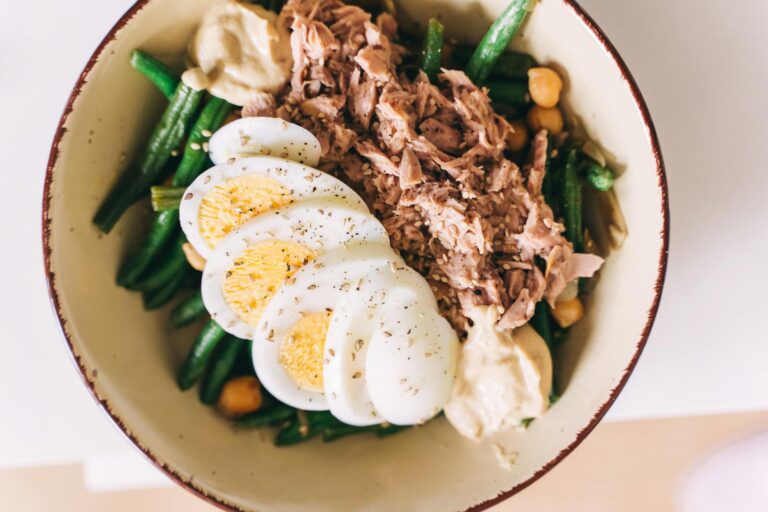
In contrast, diets that limit processed foods and emphasize whole, nutrient-rich foods can support brain health. For instance, Mediterranean-style diets that reduce saturated fats and processed ingredients have been shown to slow cognitive decline and protect memory[6]. Avoiding trans fats and ultra-processed foods is also recommended to reduce the risk of Alzheimer’s disease and depression, both of which negatively affect memory[7][8].
Sources
https://www.aislmall.com/news/junk-food-rich-diets-can-lead-to-rapid-memory-loss/
https://www.sciencedaily.com/releases/2025/10/251020092824.htm
https://www.emjreviews.com/gastroenterology/article/association-between-ultra-processed-food-consumption-and-risk-of-developing-depression-in-adults-a-systematic-review-j050123/
https://pmc.ncbi.nlm.nih.gov/articles/PMC12610630/
https://www.frontiersin.org/journals/public-health/articles/10.3389/fpubh.2025.1585680/full
https://www.clinicaladvisor.com/features/mediterranean-diet-alzheimer-disease/
https://www.goodhousekeeping.com/health/diet-nutrition/g69125077/foods-bad-for-brain-health/
https://www.hindustantimes.com/lifestyle/health/florida-neuroscientist-shares-3-foods-that-can-damage-and-shrink-your-brain-101762947039177.html