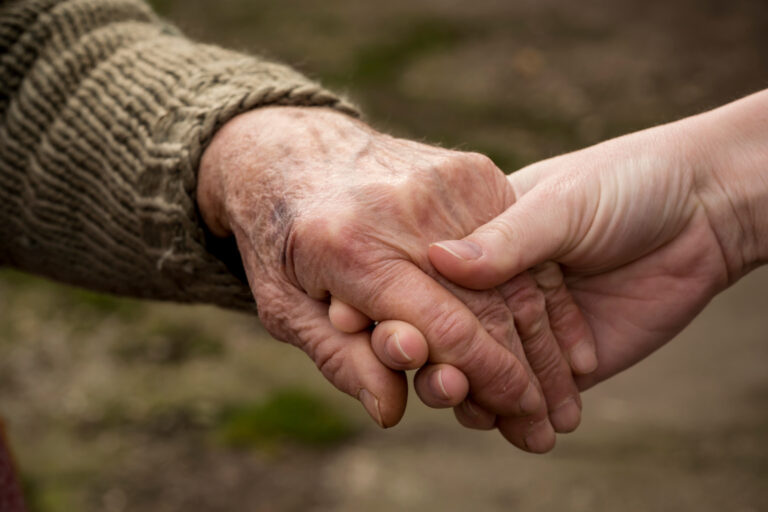
Lifelong learning can play a significant role in lowering the risk of dementia by keeping the brain active, engaged, and resilient as we age. Dementia is characterized by a decline in cognitive function severe enough to interfere with daily life, often linked to diseases like Alzheimer’s. While genetics and age are important factors, lifestyle choices—including continuous learning—have been shown to influence how our brains cope with aging and disease processes.
The brain thrives on challenge and novelty. When you engage in new learning activities—whether it’s picking up a new language, exploring art or music, solving puzzles, or taking classes—you stimulate neural pathways that help build what experts call “cognitive reserve.” This reserve acts like a mental buffer that allows your brain to compensate for damage caused by aging or disease before symptoms become noticeable. In other words, lifelong learners tend to develop stronger networks of neurons that make their brains more adaptable and resistant to decline.
Studies have found that people who regularly participate in mentally stimulating activities can reduce their risk of developing dementia by up to 30%. This is because such activities promote neuroplasticity—the brain’s ability to reorganize itself—and encourage the growth of new connections between nerve cells. These connections support memory, attention, problem-solving skills, and overall cognitive function.
Beyond just mental exercises alone, lifelong learning often involves social interaction through group classes or clubs which further benefits cognitive health. Social engagement has been linked with lower rates of dementia because it reduces stress levels and depression while increasing feelings of purpose—a factor also associated with delayed onset of cognitive impairment. Having meaningful goals and relationships encourages people not only to learn but also maintain healthier lifestyles overall.
Physical activity combined with mental challenges amplifies these protective effects since exercise improves blood flow to the brain and supports cellular health there. Activities like Tai Chi combine movement with mindful focus which has been shown effective at improving memory and executive functions even among older adults experiencing mild cognitive impairment.
Maintaining good sleep hygiene complements lifelong learning efforts because sleep helps consolidate memories formed during waking hours while clearing toxins from the brain that might contribute to neurodegeneration if accumulated over time.
Dietary habits also matter; consuming nutrient-rich foods supports brain cell maintenance so when paired with ongoing education efforts they create an environment where cognition can flourish longer into old age.
Importantly though, having a strong sense of purpose tied into one’s lifelong learning journey appears crucial too—not just accumulating facts but feeling motivated about personal growth fosters resilience against dementia-related changes better than passive knowledge acquisition alone.
In practical terms this means embracing curiosity throughout life: trying out new hobbies even late in life; reading regularly; engaging in discussions; traveling; volunteering—all these experiences count as forms of continuous education that keep your mind sharp while enriching your emotional well-being simultaneously.
While no single activity guarantees prevention against dementia due its complex causes including genetics beyond control—adopting lifelong learning as part of daily living stacks odds strongly in favor of maintaining independence longer without serious memory loss or confusion interfering significantly with quality-of-life measures.
So whether it’s enrolling in community college courses at retirement age or simply dedicating time each day for reading challenging books or puzzles—the key lies not only in what you learn but how consistently you keep exercising your mind throughout every stage of life. The cumulative effect builds resilience making it harder for dementia symptoms ever fully take hold despite natural aging processes underway inside everyone’s brains eventually over decades ahead.