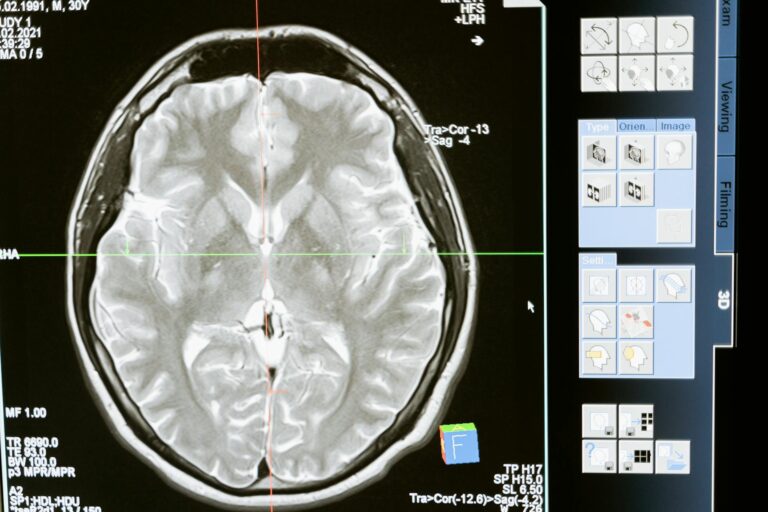
Improving air quality can have significant benefits for cognitive health. Research increasingly shows that exposure to air pollution, especially fine particulate matter known as PM2.5, is linked to a higher risk of cognitive decline, dementia, and other brain-related disorders. Studies have found that long-term exposure to polluted air can cause brain shrinkage, increase the risk of Lewy body dementia, and worsen Alzheimer’s disease pathology. This suggests that air pollution is not just correlated with cognitive problems but may actively contribute to the biological changes that lead to these diseases[1][2].
Air pollution affects the brain through several mechanisms. Fine particles can enter the bloodstream and reach the brain, causing inflammation and oxidative stress, which damage brain cells and disrupt normal brain function. For example, research on mice exposed to PM2.5 showed cognitive deficits and brain changes similar to those seen in human neurodegenerative diseases. These effects were linked to specific proteins involved in dementia, indicating a direct biological impact of pollution on brain health[1].
The impact of air pollution on cognitive health is not limited to adults. Prenatal exposure to pollutants has been shown to slow brain development in newborns, particularly affecting myelination—the process that insulates nerve fibers and is crucial for efficient brain signaling. Babies born to mothers exposed to higher levels of air pollution during pregnancy showed signs of delayed brain maturation, which could have long-term effects on behavior and intellectual development[4].
Mental health disorders such as depression, anxiety, and schizophrenia have also been associated with long-term exposure to air pollution. Large-scale studies have found increased risks of these conditions in populations exposed to higher levels of PM2.5 and other pollutants. This highlights that poor air quality can affect not only cognitive decline but also broader aspects of mental well-being[3].
Despite the growing evidence, public awareness of the health risks posed by air pollution remains low. Many people do not realize the connection between air pollution and diseases like dementia, stroke, and mental health disorders. Health organizations are calling for stronger public health campaigns and policies to reduce air pollution exposure and protect brain health[5].
Reducing air pollution exposure through cleaner energy sources, stricter emissions regulations, and personal measures like using air purifiers can help lower the risk of cognitive decline and mental health problems. Continued research and public health efforts are essential to fully understand and mitigate the impact of air pollution on brain health.
Sources
https://www.parkinson.org/blog/science-news/air-pollution-lewy-body
https://kffhealthnews.org/news/article/dementia-alzheimers-air-pollution-pm2-5-particulate-matter-pennsylvania/
https://www.tellusensors.com/air-pollution-may-increase-risk-of-mental-health-disorders-study-finds/
https://www.news-medical.net/news/20251020/Prenatal-air-pollution-exposure-may-slow-newborn-brain-development.aspx
https://www.rcp.ac.uk/news-and-media/news-and-opinion/public-unaware-of-the-health-harms-of-air-pollution-warns-royal-college-of-physicians/