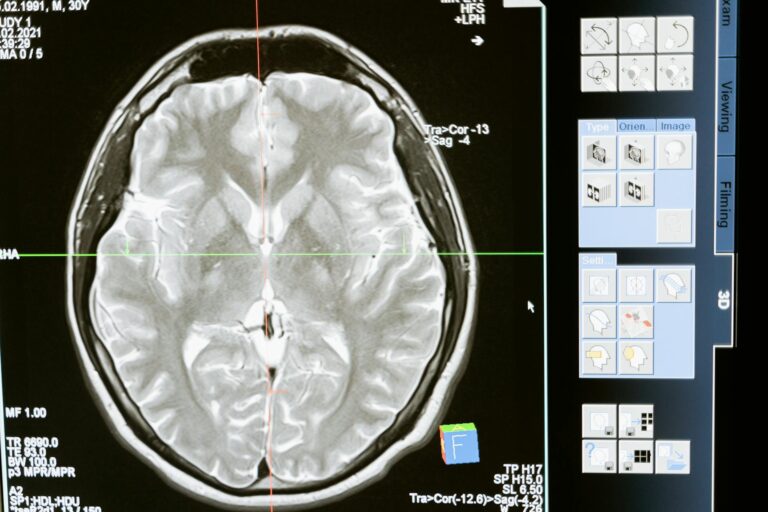
Getting a good night’s sleep is more than just feeling rested the next day. It plays a big part in keeping your brain healthy as you get older. Poor sleep habits can make it harder for your brain to stay sharp and may even raise the risk of dementia. On the other hand, making simple changes to your sleep routine can help protect your brain and lower that risk.
Sleep is when your brain does important cleanup work. During deep sleep, your brain clears out waste products that build up during the day. One of these waste products is called beta-amyloid, which is linked to Alzheimer’s disease. If you don’t get enough deep sleep, this waste can pile up and harm your brain over time. Studies show that people who regularly sleep less than seven hours a night are more likely to develop dementia later in life.
Chronic insomnia, which means having trouble sleeping at least three nights a week for three months or more, is also a concern. People with chronic insomnia are about 40% more likely to develop mild cognitive problems or dementia. This is especially true for those who already have other risk factors, like a family history of Alzheimer’s. Poor sleep can speed up brain aging and make memory problems worse.
Daytime napping can also be a sign of trouble. If someone starts napping for more than an hour every day, it could mean their nighttime sleep is not good enough. Research shows that long daily naps are linked to a higher risk of Alzheimer’s disease. However, short naps are not harmful and can even help with alertness. The problem is when napping becomes a regular habit, especially if it’s because of poor sleep at night.
The good news is that you can take steps to improve your sleep and help protect your brain. Start by going to bed and waking up at the same time every day, even on weekends. Make your bedroom dark, quiet, and cool. Avoid screens, caffeine, and alcohol before bedtime. Try relaxing activities like reading, meditation, or a warm bath to help you wind down. These habits are called good sleep hygiene, and they can make a real difference in your sleep quality.
Getting the right amount of sleep is also important. Most adults need about seven to eight hours a night. Both too little and too much sleep can increase the risk of cognitive decline. The best approach is to aim for a consistent, restful night’s sleep.
Taking care of your sleep is not just about feeling better the next day. It’s a way to support your brain health and reduce the risk of dementia as you age. Simple changes to your daily routine can have a lasting impact on your mind and memory.
Sources
https://www.aol.com/not-getting-enough-deep-sleep-040136774.html
https://www.labmanager.com/chronic-insomnia-speeds-up-brain-aging-and-raises-dementia-risk-34313
https://www.woodsidemd.com/post/is-excessive-daytime-napping-linked-to-alzheimer-s-or-dementia-here-s-what-the-research-really-says
https://pmc.ncbi.nlm.nih.gov/articles/PMC12615808/
https://neuroinjurycare.com/how-quality-sleep-protects-brain-health-and-slows-cognitive-aging/
https://lonestarneurology.net/others/sleep-disorders-and-the-brain-why-youre-tired-even-after-8-hours/
https://wholehealthchicago.com/blog/2025/10/27/preserve-your-brain-prevent-dementia-and-an-amazing-test-breakthrough