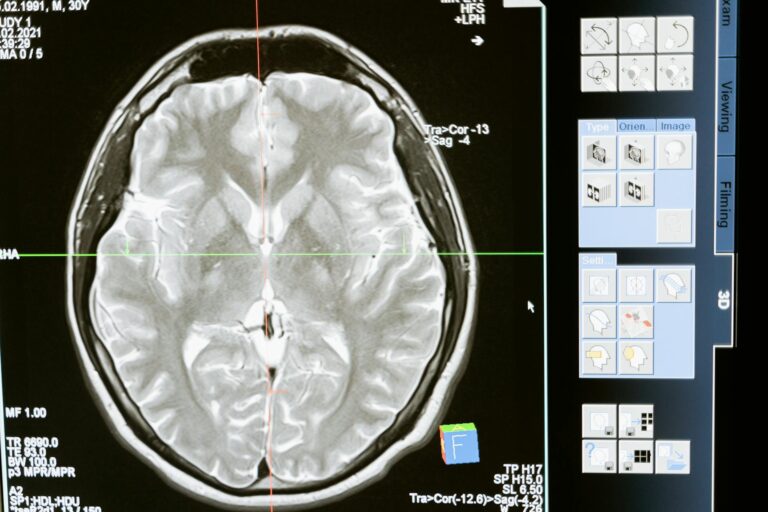
Family involvement can play a significant role in slowing functional decline, especially in older adults. When family members actively participate in the care and daily lives of their loved ones, they provide emotional support, encourage healthy habits, and help maintain cognitive and physical functions. This involvement can include assisting with daily activities, promoting social interaction, and supporting adherence to medical treatments or healthy lifestyle choices.
Research shows that social engagement and meaningful interactions, such as helping others or receiving support from family, can slow cognitive decline by up to 20%. This is because staying socially active and mentally stimulated helps the brain maintain its functions longer. Family members can encourage activities like moderate exercise, adequate sleep, and participation in social or volunteer activities, all of which contribute positively to cognitive health.
Moreover, family support often helps ensure access to nutritious food and proper healthcare, which are crucial for maintaining overall health and slowing the progression of chronic diseases that can affect cognitive and physical abilities. Economic resources and education also influence cognitive health, but family involvement can provide a direct and immediate form of support that helps delay functional decline.
In summary, family involvement offers emotional, social, and practical support that can help older adults maintain their independence and slow the decline in their cognitive and physical abilities.
Sources
https://pmc.ncbi.nlm.nih.gov/articles/PMC12616410/
https://onlinelibrary.wiley.com/doi/10.1111/phn.70046?af=R
https://scitechdaily.com/new-study-helping-others-slows-cognitive-decline-by-up-to-20/
https://www.rheumatologyadvisor.com/features/snap-benefits-and-cognition/
https://pmc.ncbi.nlm.nih.gov/articles/PMC12617438/