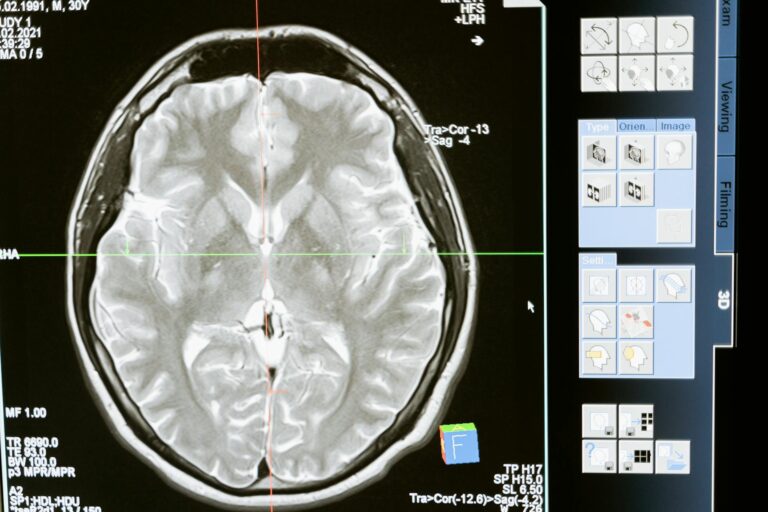
Can Eliminating Household Toxins Support Brain Longevity
Our brains are powerful, but they are also sensitive to the world around us. Every day, we come into contact with substances that can quietly affect how our brains work. Many of these substances are found right in our homes, hiding in cleaning products, air fresheners, old paint, and even some plastics. These are called toxins, and when they build up in our bodies, they can make it harder for our brains to stay healthy as we age.
Toxins can come from many places. Some are in the air we breathe, like pollution from traffic or smoke from cigarettes. Others are in the things we use every day, such as pesticides, heavy metals like lead, and chemicals in household cleaners. When these toxins enter our bodies, they can cause stress to our brain cells. Over time, this stress can lead to problems with memory, thinking, and even increase the risk of diseases like dementia.
One way toxins harm the brain is by making it harder for the brain to clear out waste. Our brains have a cleaning system called the glymphatic system. This system works best when we sleep, flushing out harmful proteins and other waste products that build up during the day. If we are exposed to too many toxins, this cleaning process can slow down. Waste can pile up, and this may raise the risk of brain problems later in life.
Sleep is also important for brain health. When we don’t get enough good quality sleep, our brain’s cleaning system doesn’t work as well. This can be made worse by toxins in the air or chemicals that disrupt our sleep patterns. For example, people with sleep apnea or other sleep disorders may have a harder time clearing toxins from their brains, which could increase their risk of dementia.
Some toxins, like lead, are especially dangerous for brain development. Even small amounts of lead can cause lasting damage, especially in children. But adults are not immune. Long-term exposure to lead or other heavy metals can affect memory, concentration, and mood. Other chemicals, such as those found in certain pesticides, have been linked to changes in brain structure and function, especially when exposure happens early in life.
Reducing exposure to household toxins is one way to help protect the brain. Simple steps can make a big difference. Using natural cleaning products, making sure your home is well ventilated, and checking for old paint or pipes that might contain lead are all good places to start. Eating a healthy diet, getting enough sleep, and staying active can also support the brain’s natural ability to stay clean and healthy.
Sources
https://pmc.ncbi.nlm.nih.gov/articles/PMC12590812/
https://mindbodyneurology.com/toxins-and-alzheimers-brain-health/
https://www.cam.ac.uk/research/news/dementia-linked-to-problems-with-brains-waste-clearance-system
https://beingpatient.com/sleep-glymphatic-lower-dementia-risk/
https://www.mayoclinic.org/diseases-conditions/lead-poisoning/symptoms-causes/syc-20354717
https://www.sciencedaily.com/releases/2025/11/251107010322.htm
https://lastinghealth.com/news/what-are-neurotoxicants-and-how-can-we-avoid-them/