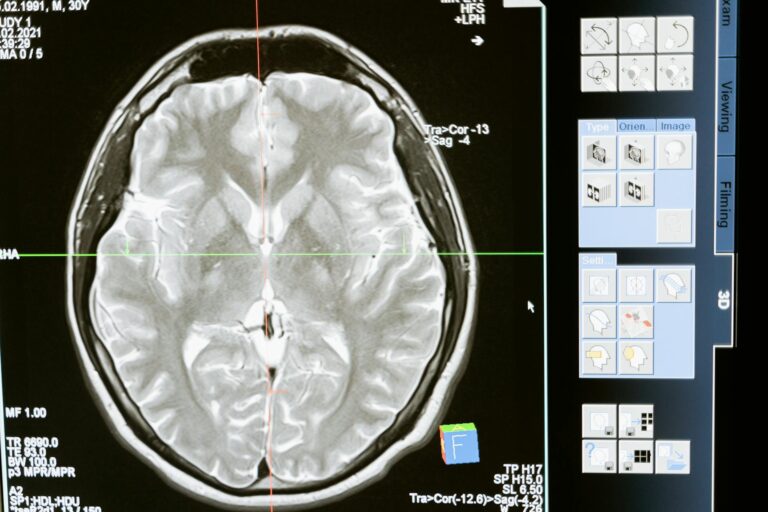
Going to bed early can have a positive impact on long-term brain performance by supporting better sleep quality and cognitive function. When people sleep earlier, they align more closely with their natural circadian rhythms, which helps the brain transition smoothly into restorative sleep stages. This alignment allows the brain to reach a critical “tipping point” where it rapidly shifts from wakefulness to sleep, a process that is essential for memory consolidation and mental recovery.
Research shows that the brain does not fall asleep gradually but rather abruptly at a predictable moment, known as a bifurcation or tipping point. This transition involves different brain regions shutting down in a specific order, with the visual processing areas powering down before the frontal cortex, which is responsible for decision-making and planning. Falling asleep earlier in the evening allows this process to happen more naturally and efficiently, which can improve overall brain health and function over time[1][3][4][8][9].
Additionally, studies indicate that the brain’s ability to form long-term memories is enhanced during certain times of the day, particularly when the brain is in a more fatigued state before waking. This suggests that getting enough sleep and going to bed early can optimize the brain’s readiness for learning and memory formation by allowing it to rest and reset properly[2][10].
On the other hand, staying up late or having irregular sleep patterns can impair brain function. People who go to bed late often experience reduced sleep duration and poorer sleep quality, which is linked to increased risks of cognitive decline, mental health issues like anxiety and depression, and impaired decision-making. The brain’s frontal cortex may not function as effectively during late-night hours, leading to impulsive or less rational behavior. Shifting bedtime earlier, even modestly, has been shown to reduce these risks and support better mental health and cognitive performance[5][6][7].
In summary, early bedtimes help the brain fall asleep more efficiently by hitting the sleep tipping point at the right time, support memory and learning by aligning with natural brain rhythms, and reduce risks associated with cognitive decline and mental health problems linked to late bedtimes.
Sources
https://www.imperial.ac.uk/news/270894/falling-asleep-follows-brain-tipping-point/
https://economictimes.com/magazines/panache/not-early-mornings-brain-learns-the-best-when-its-least-expected-best-time-to-absorb-new-information-finds-study/articleshow/125331294.cms
https://www.ukri.org/news/scientists-uncover-how-the-brain-falls-asleep/
https://www.surrey.ac.uk/news/scientists-uncover-how-brain-falls-asleep
https://lifestylemedicine.stanford.edu/staying-up-late-mental-health/
https://www.discovermagazine.com/staying-up-past-midnight-might-make-us-more-impulsive-and-cynical-48160
https://www.uclahealth.org/news/article/being-night-owl-bad-your-health
https://www.sciencealert.com/brain-scans-reveal-surprising-tipping-point-minutes-before-we-fall-asleep
https://www.nature.com/articles/s41593-025-02091-1
https://www.news-medical.net/news/20251111/Study-reveals-how-neural-excitability-and-learning-potential-fluctuate-across-the-day.aspx