Diet can play a significant role in supporting cancer treatment by helping patients maintain strength, manage side effects, and potentially improve the effectiveness of therapies. While diet alone cannot cure cancer, proper nutrition is essential to support the body’s healing processes during and after treatment.
Cancer treatments such as chemotherapy, radiation, and immunotherapy often increase the body’s energy and nutrient needs while causing side effects like nausea, fatigue, loss of appetite, taste changes, or digestive issues. These side effects can make it difficult for patients to eat enough or absorb nutrients properly. Therefore, one of the primary goals of a cancer-supportive diet is to ensure adequate calorie and nutrient intake to prevent malnutrition and weight loss.
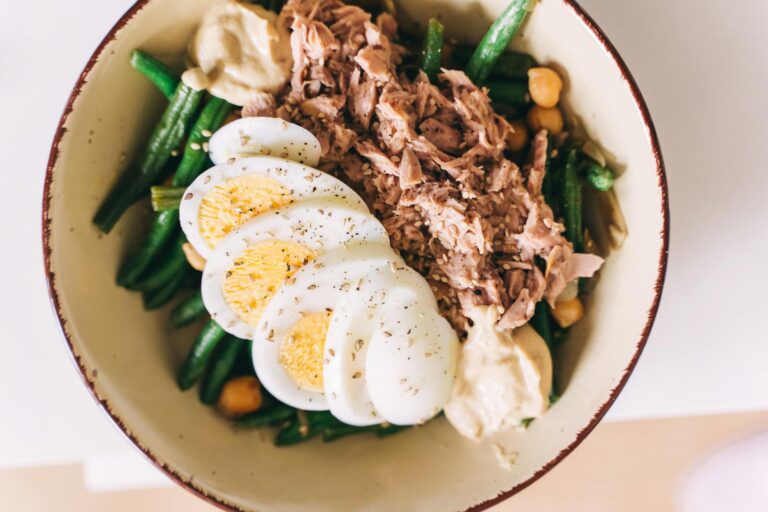
A balanced diet rich in fruits, vegetables, whole grains, lean proteins (such as poultry or fish), healthy fats (like those from nuts or olive oil), and sufficient fluids forms the foundation for nutritional support during cancer care. This kind of eating pattern helps provide vitamins and minerals that are important for immune function and tissue repair.
Protein is especially important because it supports tissue maintenance and repair; many patients benefit from higher protein intake through foods or supplements if needed. Some studies suggest that high-protein supplements may improve recovery outcomes by reducing muscle wasting caused by both cancer itself and its treatments.
Emerging research also highlights how certain dietary components might directly influence immune responses against tumors. For example:
– Plant-based nutrients like zeaxanthin have been found to enhance the activity of specific immune cells (CD8+ T cells) that attack tumor cells. Supplementing with such compounds could potentially boost immunotherapy effectiveness.
– Conversely, some artificial sweeteners may interfere with immunotherapy’s success by altering gut microbiota or immune function negatively.
The gut microbiome—the community of bacteria living in our intestines—is another key factor linking diet with cancer treatment outcomes. A healthy gut microbiome supports better digestion as well as stronger immune responses which are crucial during therapies like chemotherapy or immunotherapy. Diet influences this microbial community profoundly; thus maintaining fiber-rich foods from plants can promote beneficial bacteria growth.
Patients undergoing treatment often need personalized dietary adjustments based on their symptoms:
– If nausea limits appetite: small frequent meals with bland but calorie-dense foods might be easier tolerated.
– If mouth sores occur: soft textures avoiding spicy/acidic items help reduce discomfort.
– For diarrhea: low-fiber diets temporarily may ease symptoms until normal digestion returns.
Because every patient’s experience differs widely depending on cancer type/stage/treatment regimen/side effects etc., working closely with oncology nutrition specialists ensures tailored plans that meet individual needs while maximizing quality of life.
In summary—while no single food cures cancer—dietary strategies focused on adequate calories/protein/nutrients combined with attention to managing side effects contribute significantly toward supporting overall health during treatment cycles. Additionally emerging evidence suggests certain nutrients might complement advanced therapies by enhancing anti-cancer immunity directly or indirectly through gut health modulation.
**Key points about diet’s role in cancer care:**
– Cancer increases metabolic demands; eating enough calories is critical even if choices include less ideal options temporarily
– Protein supports healing; supplementation may be necessary
– Fruits & vegetables provide antioxidants/vitamins aiding recovery
– Gut microbiota influenced by diet affects therapy response
– Some plant compounds show promise boosting immune cell tumor-killing ability
– Artificial sweeteners could impair some immunotherapies’ effectiveness
– Dietary plans must adapt dynamically based on symptoms like nausea/mouth sores/diarrhea
Ultimately nutrition acts as an essential partner alongside medical treatments—not a replacement—but one that can help patients feel stronger physically while improving their capacity to tolerate aggressive therapies aimed at fighting their disease effectively over time.
If you want me to expand further into specific cancers’ nutritional needs or discuss particular diets used adjunctively in clinical settings (e.g., ketogenic approaches), just let me know!