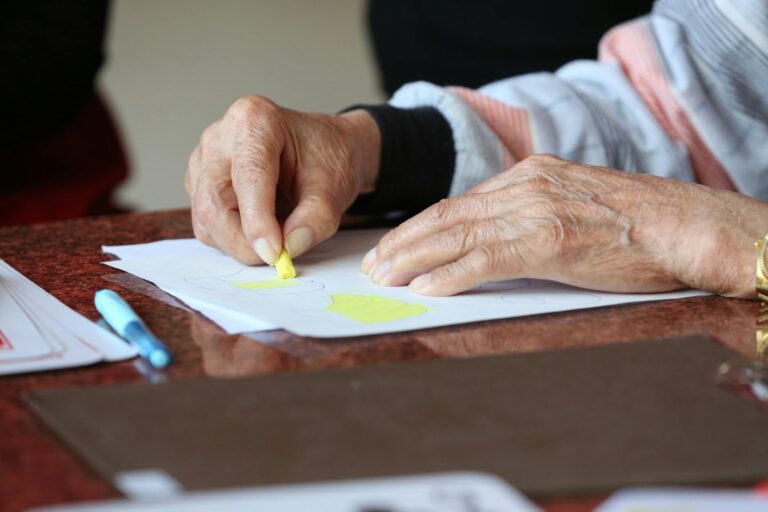
Dementia patients can indeed write journals with caregiver support, and doing so can offer meaningful benefits both cognitively and emotionally. While dementia progressively impairs memory, language, and executive functions, journaling with assistance can serve as a valuable tool to engage the mind, preserve identity, and express feelings, even as the disease advances.
Writing activities, including journaling, have been recognized as a form of cognitive rehabilitation for people with mild cognitive impairment and dementia. These activities stimulate memory, attention, and executive functions by encouraging patients to recall events, organize thoughts, and practice language skills. When caregivers provide support—such as helping with spelling, prompting ideas, or writing down dictated words—patients can participate more fully and experience a sense of accomplishment. This collaborative process helps maintain cognitive resilience and emotional well-being.
Caregiver involvement is crucial because dementia often affects communication abilities. Patients may struggle to find the right words, construct sentences, or remember details. A caregiver can adapt communication by simplifying questions, using repetition, or focusing on emotional tone rather than exact wording. This approach reduces frustration and keeps the journaling process positive and engaging. For example, a caregiver might ask open-ended questions about the patient’s day or feelings and then help transcribe or organize the responses into a journal entry.
Beyond cognitive benefits, journaling supports emotional health by providing an outlet for self-expression. Dementia can cause confusion, anxiety, and a loss of identity. Writing about memories, daily experiences, or emotions helps patients connect with their sense of self and communicate feelings that might otherwise be difficult to express. This can improve mood and reduce feelings of isolation. Additionally, journaling can foster social interaction when caregivers or family members read and discuss the entries, reinforcing relationships and shared history.
Different forms of writing can be adapted to the patient’s abilities and interests. Some may prefer simple memory notebooks where caregivers help record key events or feelings. Others might engage in creative writing like poetry or storytelling with prompts. Even non-verbal forms such as drawing or calligraphy can be integrated into journaling to stimulate motor skills and concentration while providing cultural or personal meaning.
It is important to tailor journaling activities to the individual’s stage of dementia and preferences. Early on, patients may write independently with minimal help, while later stages require more hands-on support. The goal is not perfect writing but meaningful engagement and enjoyment. Caregivers should be patient, encouraging, and flexible, allowing the patient to lead the process as much as possible.
In summary, with caregiver support, dementia patients can successfully participate in journaling. This activity offers a unique combination of cognitive stimulation, emotional expression, and social connection that can enhance quality of life. Caregivers play a vital role in facilitating communication, adapting tasks, and providing encouragement, making journaling a practical and rewarding tool in dementia care.