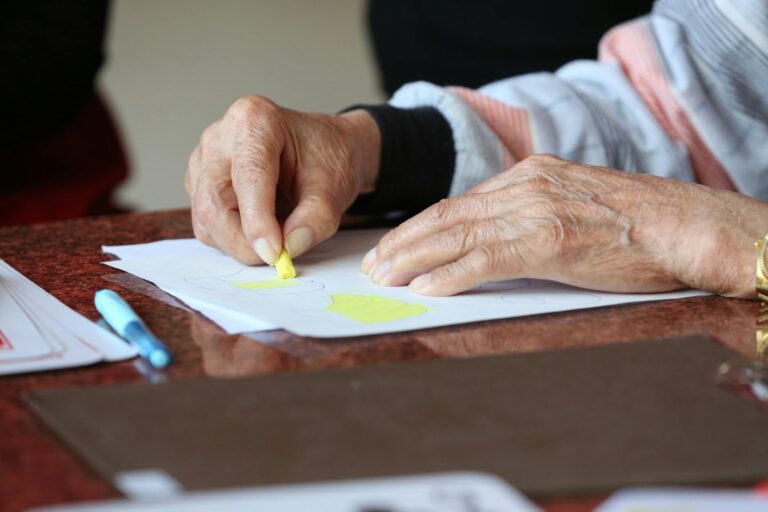
Dementia is a condition that affects the brain, causing problems with memory, thinking, and behavior. It can change how a person understands the world around them. One question many people wonder about is whether dementia patients can understand jokes. This is an interesting topic because humor plays an important role in human connection and communication. To explore this, we need to look at what happens in the brain when someone hears or tells a joke and how dementia changes those processes.
First, let’s think about what it means to understand a joke. Jokes often rely on wordplay, surprise endings, or recognizing something unexpected that makes us laugh. When you hear a joke, your brain has to do several things quickly: listen carefully to the words; remember any background information needed; recognize patterns or double meanings; and then connect all these pieces together to get why it’s funny.
For example, if someone says: “Why did the scarecrow win an award? Because he was outstanding in his field.” You need to know that “outstanding” can mean both excellent and literally standing outside in a field. Understanding this pun requires language skills as well as flexible thinking.
Now imagine how dementia might affect these abilities:
1. **Memory Problems**
One of the main symptoms of dementia is trouble remembering things—both recent events and sometimes older memories too. Since jokes often depend on recalling certain facts or previous parts of a story for context, memory loss can make it harder for someone with dementia to follow along fully.
2. **Language Difficulties**
Dementia can cause problems with language skills like finding words (called aphasia) or understanding complex sentences (called comprehension difficulties). If someone struggles with language processing, they may miss subtle meanings or wordplays essential for getting jokes.
3. **Reduced Abstract Thinking**
Many jokes require abstract thinking — seeing beyond literal meanings into more creative interpretations — such as metaphors or irony. Dementia often impairs this ability because it affects parts of the brain responsible for higher-level reasoning.
4. **Attention Issues**
Paying attention long enough to hear all parts of a joke matters too since missing even one line could spoil understanding it altogether. Dementia patients may have shorter attention spans which interfere here.
Given these challenges caused by dementia symptoms affecting memory, language comprehension, abstract thought processes and attention span—it might seem like people living with dementia cannot enjoy humor at all—but reality isn’t so simple!
Some research shows that while advanced stages of dementia greatly reduce one’s ability to grasp complex jokes involving puns or sarcasm—many individuals still respond positively when exposed to simpler forms of humor such as slapstick comedy (funny physical actions), silly faces/mimics by caregivers/family members—or straightforward funny stories without complicated twists.
This suggests their emotional response system remains somewhat intact even if cognitive processing declines significantly over time—which means laughter itself might not always require full intellectual understanding but rather emotional resonance triggered by social interaction cues like tone of voice or facial expressions during humorous moments.
Also important is recognizing individual differences among people living with dementia: some retain better cognitive function longer than others depending on type/stage/severity/brain areas affected—and thus their capacity for appreciating different kinds/levels of humor varies widely from person-to-person day-to-day basis too!
Caregivers who want to share joy through laughter should consider adapting their approach based on what works best:
– Use simple clear language without complicated wordplay.
– Tell short funny stories related directly relevant experiences familiar from patient’s past.
– Incorporate visual aids like cartoons/pictures showing exaggerated expressions.
– Use playful sounds/silly voices instead relying solely on verbal jokes.
– Observe reactions closely—if something causes confusion/frustration stop immediately switch style instead.
– Encourage participation through gentle teasing games where possible but avoid anything potentially embarrassing/hurtful since sensitivity increases due diminished social awareness sometimes seen in later stages.
Humor also serves therapeutic purposes beyond just entertainment—it helps reduce stress/anxiety/depression common among thos