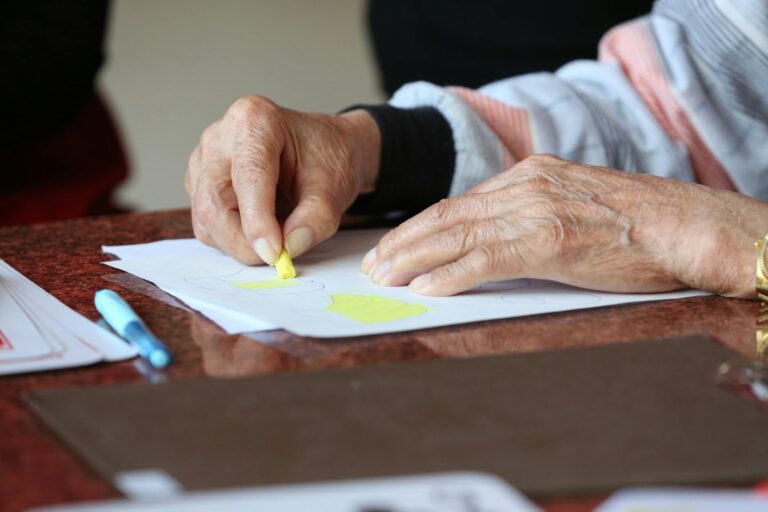
Dementia is often seen as a condition that strips away memories, personality, and the ability to connect with others in familiar ways. Yet, beneath the cognitive decline, the human heart continues to beat with the capacity for emotion, connection, and even love. So, can dementia patients fall in love again? The answer is yes, but it’s a complex and deeply personal experience that unfolds differently for each individual.
Love is not solely built on memory or intellectual understanding. While dementia affects memory and cognitive functions, emotional centers in the brain often remain active longer. This means that feelings of affection, attachment, and emotional resonance can persist even when factual memories fade. Emotional resonance is the ability to connect through shared feelings rather than shared facts. For someone with dementia, a kind touch, a familiar voice, or a gentle presence can evoke feelings of love and comfort that transcend lost memories.
In many cases, dementia patients can develop new relationships or deepen existing ones. These connections may not always look like traditional romantic love, but they can be just as meaningful. For example, couples who have been together for decades may find their relationship changing, with the healthy partner often becoming a caregiver. Despite the challenges, many couples continue to share tender moments, express affection, and find joy in each other’s company. The emotional bond can remain strong, even if the person with dementia struggles to remember details or recognize familiar faces at times.
New love can also emerge later in life, including after a dementia diagnosis. Stories abound of older adults finding companionship and romance in retirement homes or care settings. These relationships may develop slowly or unexpectedly, offering both partners comfort, joy, and a renewed sense of purpose. Love at this stage is often less about grand gestures and more about simple acts of kindness, shared routines, and emotional support.
However, it is important to recognize the vulnerabilities that come with dementia. Patients can be susceptible to exploitation, including romance scams, because of their impaired judgment and increased loneliness. Families and caregivers must be vigilant to protect their loved ones from financial abuse or manipulative relationships. Establishing safeguards, such as managing finances carefully and maintaining open, non-judgmental communication about relationships, is crucial.
The nature of love with dementia is often different from what society typically expects. It may not involve elaborate conversations or shared plans for the future, but it can be deeply felt in moments of connection, comfort, and mutual care. Caregivers and partners often find that love becomes a dance of patience, understanding, and presence. Even when words fail, a gentle touch or a smile can communicate volumes.
In some types of dementia, such as frontotemporal dementia, personality changes can affect how love is expressed. Patients might become more withdrawn, irritable, or lose interest in previous relationships. Yet, even in these cases, the capacity for emotional connection can remain, though it may require more effort and adaptation from loved ones.
Ultimately, love in the context of dementia is a testament to the resilience of the human spirit. It reminds us that even as memories fade, the heart can still find ways to connect, care, and cherish. Whether it is rekindling a lifelong partnership or discovering companionship anew, love remains possible and profoundly meaningful for those living with dementia.