Daily Mood Tracking Improve Cognitive Patterns
What happens when you pay attention to how you feel every single day? Research is showing that the simple act of tracking your mood might do more than just help you understand your emotions – it could actually reshape how your brain works and improve the way you think.
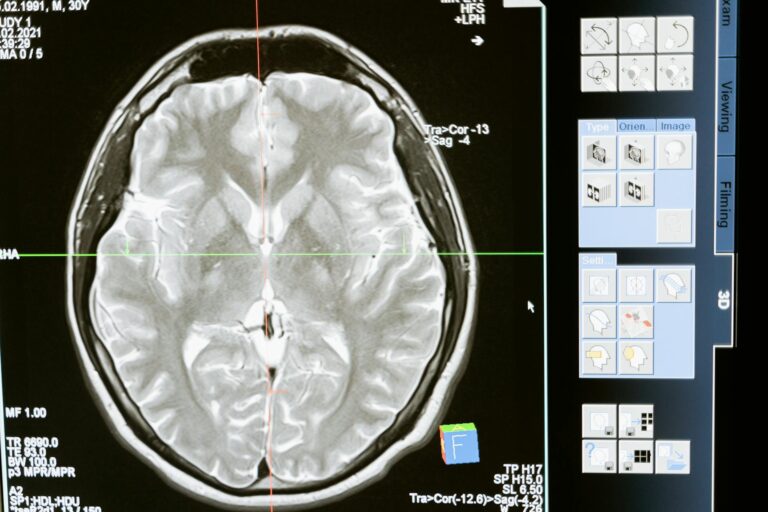
The connection between mood and thinking isn’t new to science, but what researchers are discovering now is that actively monitoring your mood creates a feedback loop that strengthens your cognitive abilities. When you write down or record how you feel, something interesting happens in your brain. The act of putting your emotions into words moves your emotional experiences from the limbic system, which is the older, more reactive part of your brain, to the prefrontal cortex, where you can think about things rationally and logically. This shift alone changes how your brain processes information.
One of the most interesting findings comes from research on typing patterns on smartphones. Scientists discovered that how quickly and frequently people type on their phones can reveal information about their cognitive health. More importantly, typing speed reliably predicts processing speed and executive function – the mental skills that help you make decisions, switch between tasks, and think flexibly. When people tracked their moods and became more aware of their emotional states, their typing patterns showed measurable changes in these cognitive abilities.
The relationship between mood awareness and thinking gets even stronger when we look at specific cognitive tasks. Research shows that people who are more aware of their moods and track them regularly perform better on tests that measure mental flexibility and quick decision-making. As people become more conscious of their emotional patterns, particularly when they notice depressive symptoms, the connection between their mood awareness and their executive functioning becomes clearer and stronger.
Why does this happen? When you track your mood daily, you’re essentially training your brain to recognize patterns. You start to notice which situations, activities, or interactions affect how you feel. This awareness is the foundation of emotional regulation – you cannot change what you do not notice. Your brain needs to recognize a pattern before it can respond differently. Without this awareness, you are essentially reacting to emotional shifts without understanding what caused them.
The benefits extend beyond just emotional awareness. Research tracking over 350 young adults found that people who were more conscious of their daily patterns and made small adjustments to their routines experienced better mood and energy the next day. Light physical activity showed the strongest link to boosting mood and energy, but the key factor was awareness – people who tracked their patterns were more likely to make these beneficial changes.
There is also evidence that mood tracking helps with something called emotional granularity, which is the ability to recognize and label emotions precisely. Instead of just saying “I feel bad,” you might say “I feel rejected and ashamed.” This specific naming of emotions activates brain regions linked to self-control and calm. By naming what you feel, you take the first step toward regulating it. The act of noting an emotion already starts to soothe it – you are no longer inside the storm, you are observing it.
When you journal about your moods and emotions, you are engaging in what scientists call metacognition – observing your thoughts as impartially as possible. This practice helps you understand yourself on multiple levels: emotional, cognitive, and physical. Writing about emotions transforms raw feelings into meaning, and that is where real change begins. Over time, this practice gives you more control over your life because you are no longer going through the motions – you are actively shaping your life based on genuine self-knowledge.
The research also shows that mood tracking can help predict changes in cognitive functioning before they become obvious. In studies of people with mood disorders, activity-based measurements signaled upcoming depressive episodes up to seven days in advance. This early warning system works because changes in behavior and mood patterns reveal early signs of cognitive shifts before the symptoms themselves become apparent.
One important finding is that the relationship between mood tracking and cognitive improvement works differently depending on what type of thinking you are measuring. For some cognitive tasks, the connection is strongest in healthy individuals. But for tasks that rely heavily on mental flexibility and quick decision-making, the relationship holds strong across all groups – whether someone has a mood disorder or not. This suggests that mood tracking is a universal tool for improving certain types of thinking.
The simplicity of mood tracking is actually one of its greatest strengths. You do not need complex systems or hours of reflection. Simple, consistent observations reveal more than you would expect about your emotional landscape and how it affects your thinking. Some people use dots in a journal, others use apps, and some simply write a few sentences each day. The method matters less than the consistency.
What makes mood tracking particularly powerful for cognitive improvement is that it creates a cycle of awareness and change. As you become more aware of your moods, you start to notice patterns. As you notice patterns, you can make small adjustments to your daily life. These adjustments lead to better moods and clearer thinking. Better moods and clearer thinking make you more likely to continue tracking. This positive cycle strengthens over time.
The brain changes that happen through mood tracking are not just temporary either. Research shows that people who maintain mood tracking habits over months and years experience lasting improvements in emotional regulation, resilience, and mental health. The prefrontal cortex becomes more active and more connected to the emotional centers of the brain. Your ability to think flexibly, make decisions quickly, and regulate your emotions all improve.
It is worth noting that mood tracking works best when you are honest with yourself about what you are feeling and what is causing those feelings. Acknowledging what annoyed you or upset you helps you identify what you genuinely dislike and what you actually enjoy. This honesty lowers anxiety and sadness because you are no longer going through the motions of your own life – you are shaping it to be one you actively enjoy. This alignment between your actions and your genuine preferences has measurable effects on your cognitive function.
The science suggests that daily mood tracking is not just a wellness trend or a way to feel better emotionally. It is a practical tool for improving how your brain works. By paying attention to your moods, naming your emotions precisely, and reflecting on your patterns, you are literally rewiring your brain for better thinking, faster decision-making, and greater mental flexibility. The investment of a few minutes each day to track your mood can pay dividends in cognitive performance and overall mental health.
Sources