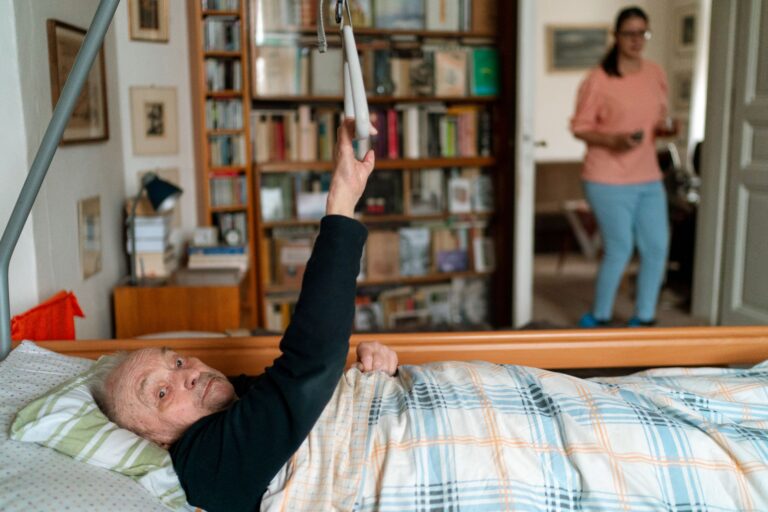
Chronic stress sits at the center of this dementia and brain health question.
Can chronic stress make dementia worse? Yes, ongoing stress can speed up brain changes that harm memory and thinking in people with dementia or at risk for it.
Stress triggers the body to release cortisol, a hormone that helps in short bursts but causes trouble when levels stay high over time. High cortisol damages the hippocampus, the brain area key for memory. This makes cognitive decline faster in older adults. Research links chronic stress to quicker memory loss and higher dementia risk, especially from stressful events in midlife.
Inflammation plays a big role too. Stress leads to brain swelling that worsens thinking problems. It also harms blood vessels, raising blood pressure and making the blood-brain barrier leaky. Harmful substances then enter the brain, adding to damage and protein buildup linked to dementia like Alzheimer’s.
Caregivers for those with Alzheimer’s face this firsthand. Their stress shortens telomeres, the protective caps on cells that signal faster aging. This brings poorer sleep, higher anxiety, depression, and heart risks, all tied to worse brain health.
Anxiety, a form of chronic stress, hits the prefrontal cortex and hippocampus hard. Over years, it wears down these areas, leaving the brain open to dementia processes through constant inflammation and hormone overload.
Even in dementia care settings, people show high stress with elevated cortisol and low heart rate variability, cutting quality of life.
Sources
https://int.livhospital.com/can-stress-lead-to-dementia-vital-truth/
https://medicalxpress.com/news/2025-12-family-members-alzheimer-poorer-health.html
https://baptisthealth.net/baptist-health-news/can-anxiety-really-contribute-to-memory-problems-yes-and-here-is-why
https://pubmed.ncbi.nlm.nih.gov/41445016/?fc=None&ff=20251226091658&v=2.18.0.post22+67771e2
For more, see NIH MedlinePlus — cognitive testing.
Why Chronic stress Matters for Families
Understanding chronic stress helps families ask sharper questions at the next memory clinic visit and make calmer decisions at home. Dementia care decisions often hinge on small details that doctors do not have time to explain in a 15-minute appointment. This section adds the practical context most families never hear.
Most chronic stress questions come up after a worrying moment at home: a missed bill, a wrong turn on a familiar drive, a name that does not come back, or a doctor’s report that uses words no one explained. None of those moments alone diagnoses dementia, but together they often signal that a real conversation is overdue.
What Doctors Wish Families Knew About Chronic stress
Memory specialists routinely report that families come in late. Average time from first family-noticed change to diagnosis is roughly 3 years in the United States. That delay matters because today’s most effective steps — vascular risk control, sleep apnea treatment, depression treatment, medication review, and exercise — work best when started early.
Doctors also wish families knew that no single test diagnoses dementia. The diagnosis is built from cognitive testing, history, labs, imaging, and observation over time. A score on a test is one data point, not a verdict.
Common Questions Families Ask About Chronic stress
When should we see a specialist about chronic stress?
When concerns about memory, judgment, language, or behavior have lasted more than a few months and are affecting daily life. Primary care is the right first stop. They will rule out reversible causes and refer to a neurologist or memory clinic if needed.
What should we bring to the first appointment?
A written timeline of symptoms, a complete medication list (including over-the-counter and supplements), a list of medical conditions, and a family member who has observed the changes.
What can we do at home today?
Manage blood pressure, treat sleep apnea, exercise most days, eat a Mediterranean-style diet, stay socially engaged, address hearing loss, and review medications with a pharmacist for cognitively risky drugs.
When to Call the Doctor
Sudden cognitive change, falls, new confusion, fever with confusion, sudden weakness or speech change, or rapid worsening of dementia symptoms over days warrant immediate medical attention. Slow gradual change can be discussed at the next scheduled visit.
For more authoritative guidance on chronic stress and related dementia topics, the National Institute on Aging and the Alzheimer’s Association are reliable starting points.