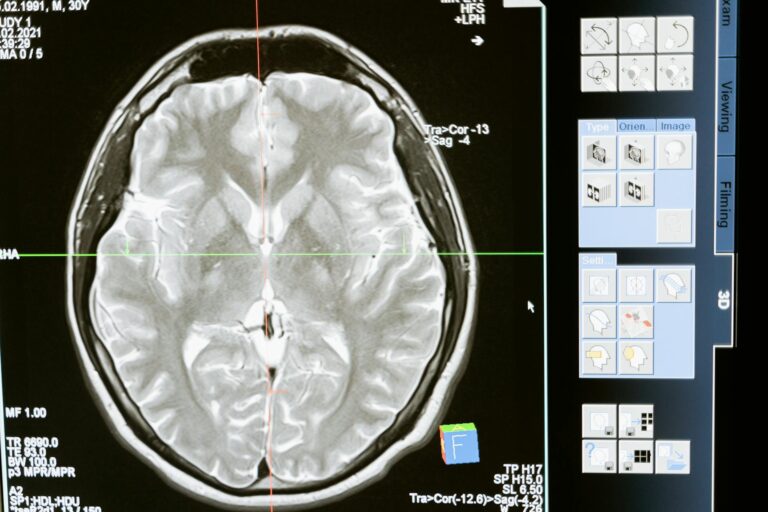
Chair Exercises Support Aging Brains
When we think about keeping our brains sharp as we get older, we often picture crossword puzzles or brain training apps. But what if the key to better brain health was something simpler – something you could do while sitting in a comfortable chair? Research shows that chair exercises offer surprising benefits for cognitive function in older adults.
The connection between movement and brain health runs deeper than most people realize. Physical activity increases blood flow to the brain, which helps sharpen memory and problem-solving abilities. When you exercise, your body releases chemicals that support brain function. One study found that adults over 65 who engaged in structured cognitive training alongside physical activity showed measurable increases in acetylcholine, a brain chemical linked to attention and memory. This chemical typically declines with age, so boosting it through activity is significant.
Chair exercises work particularly well for seniors because they remove barriers that might prevent someone from exercising. If you have balance problems, joint pain, or mobility limitations, standing exercises can feel risky or impossible. A chair provides stability while still allowing you to engage your muscles and challenge your body. This accessibility means more older adults can actually stick with an exercise routine, which is essential for long-term brain benefits.
The physical improvements from chair exercise directly support brain health. When you do chair exercises, you strengthen your core, improve your balance, and enhance your flexibility. These physical gains translate to better performance in everyday activities like reaching, bending, and moving around your home. As your body becomes stronger and more coordinated, your brain receives constant feedback about your position and movement in space. This process, called proprioception, keeps your brain actively engaged and working.
Research has documented real improvements in older adults who practice chair exercises regularly. Studies show that after just eight weeks of chair yoga, participants experienced better balance and gait. They also reported improvements in mood, with reduced fatigue, nervousness, and depression. These mental health benefits matter because depression and stress can actually harm cognitive function. When chair exercise helps reduce these conditions, it creates a positive ripple effect for brain health.
The type of chair exercise matters too. Chair yoga combines gentle movement with mindful breathing, which engages your brain in multiple ways. You must focus on your breath, pay attention to your body position, and coordinate different movements. This mental engagement, combined with the physical activity, creates a powerful stimulus for brain function. Even simple movements like seated cat-cow stretches or knee-to-chest exercises activate your core while requiring concentration and body awareness.
Balance training deserves special attention when discussing brain health. The American Geriatrics Society identifies balance exercises as the top priority for seniors because they prevent falls, which can cause serious brain injuries. Chair yoga incorporates balance training in a safe format, protecting your brain from injury while simultaneously strengthening the neural pathways involved in balance and coordination. This dual benefit makes chair exercise especially valuable for aging brains.
The cognitive demands of learning new movements also support brain health. When you learn a new chair yoga pose or master a new exercise sequence, you are actively building new neural connections. Your brain must remember the movements, coordinate different muscle groups, and adjust based on feedback from your body. This type of learning keeps your brain plastic and adaptable, which slows cognitive decline.
Social aspects of chair exercise classes add another layer of brain support. Group classes provide mental stimulation through social interaction, which research shows helps preserve cognitive function. The combination of physical activity, mental engagement, and social connection creates an ideal environment for brain health.
Chair exercises also offer practical advantages for consistency. You can do them at home, in community centers, or in assisted living facilities. A 90-minute class once per week or even brief 10-minute sessions can provide benefits. This accessibility means older adults are more likely to maintain regular exercise habits, and consistency is what drives long-term brain health improvements.
The evidence suggests that chair exercises should be part of a comprehensive approach to brain health in older age. Walking provides cardiovascular benefits that support brain function. Chair exercises provide targeted improvements in strength, balance, and flexibility that walking alone cannot address. Combining both activities produces superior outcomes compared to either alone.
For older adults with specific health challenges, chair exercise becomes even more valuable. Those with osteoarthritis, lower extremity problems, or balance concerns often cannot safely do standing exercises. Yet these individuals still need the brain-supporting benefits of physical activity. Chair exercise bridges this gap, allowing them to stay active and keep their brains engaged despite physical limitations.
The research on chair exercise and aging brains continues to grow. Studies consistently show improvements in balance, mobility, strength, and flexibility. Mental health improvements including reduced depression, anxiety, and stress appear regularly in research findings. These physical and mental improvements work together to support overall brain health and cognitive function.
Sources
https://pmc.ncbi.nlm.nih.gov/articles/PMC12591597/
https://betterme.world/articles/10-minute-chair-yoga-for-seniors/
https://www.dartmouth-hitchcock.org/stories/article/benefits-chair-yoga