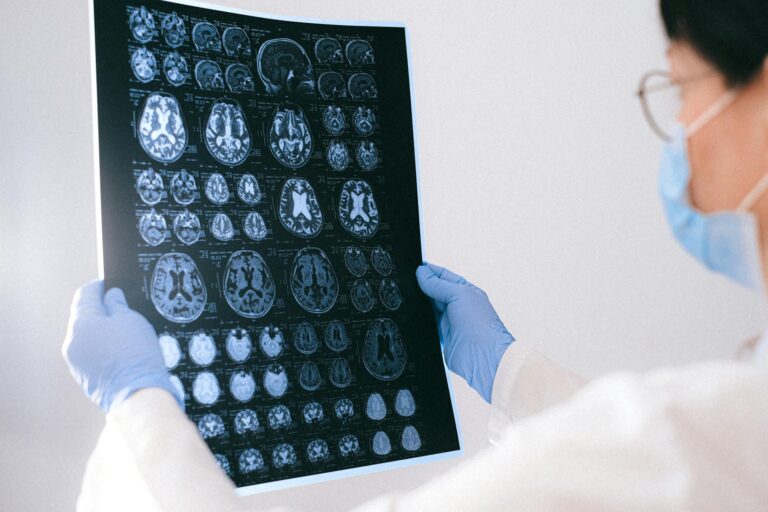
Cerebral palsy (CP) is a neurological disorder caused by damage to the developing brain, often occurring before, during, or shortly after birth. It primarily affects muscle control, balance, and movement. One common question is whether untreated high blood pressure during pregnancy can lead to cerebral palsy in the child.
**High blood pressure in pregnancy, known as hypertensive disorders of pregnancy (HDP), includes conditions such as preeclampsia and gestational hypertension.** These conditions can affect the placenta and reduce oxygen and nutrient delivery to the fetus, potentially impacting fetal brain development. However, the direct link between untreated high blood pressure in pregnancy and cerebral palsy is not straightforward.
A large systematic review and meta-analysis involving over 29 million children found that hypertensive disorders of pregnancy were associated with increased risks of several neurodevelopmental disorders, including autism spectrum disorder, attention-deficit/hyperactivity disorder, intellectual disability, and global developmental delay. However, after adjusting for factors like gestational age at birth and birthweight, **there was no significant association between hypertensive disorders of pregnancy and cerebral palsy**[1]. This suggests that the increased risk of neurodevelopmental issues may be largely due to complications such as preterm birth and low birthweight, which are more common in pregnancies complicated by high blood pressure.
**How might untreated high blood pressure indirectly contribute to cerebral palsy?** High blood pressure during pregnancy increases the risk of preterm labor and placental insufficiency, which can lead to reduced oxygen supply (hypoxia) to the fetus. Hypoxic-ischemic encephalopathy (HIE), a type of brain injury caused by oxygen deprivation, is a well-known cause of cerebral palsy[5]. Therefore, if high blood pressure is untreated and leads to severe placental problems or preterm birth, the resulting oxygen deprivation could increase the risk of brain injury that causes CP.
Medical negligence related to untreated or poorly managed high blood pressure during pregnancy can also increase the risk of cerebral palsy. For example, failure to diagnose or manage preeclampsia or gestational hypertension properly may lead to complications such as preterm birth or fetal distress, which are risk factors for CP[2][3]. Inadequate prenatal care or delayed intervention when warning signs appear can contribute to brain injury in the fetus.
**Other maternal conditions linked to cerebral palsy include infections, placental abnormalities, and diabetes, which can also be worsened by hypertensive disorders if not managed properly[3].** The brain injuries leading to CP can be caused by hypoxia, bleeding in the brain (intracranial hemorrhage), or abnormal brain development (cerebral dysgenesis), all of which can be influenced by complications arising from untreated high blood pressure in pregnancy[5].
In summary, while untreated high blood pressure in pregnancy does not directly cause cerebral palsy, it can increase the risk of conditions such as preterm birth and fetal oxygen deprivation that are known causes of CP. Proper diagnosis, monitoring, and management of hypertensive disorders during pregnancy are crucial to reduce these risks and protect fetal brain development.
—
**Sources:**
[1] Systematic review and meta-analysis on hypertensive disorders of pregnancy and neurodevelopmental outcomes, PLOS Medicine
[2] Risk factors for cerebral palsy including high blood pressure and medical negligence, Wagner Reese, LLP
[3] Medical negligence and maternal conditions increasing cerebral palsy risk, Rayne