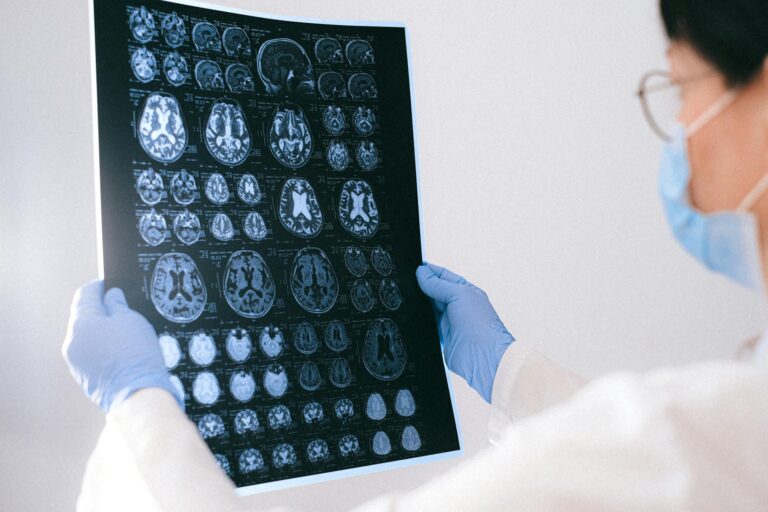
Cerebral palsy (CP) can indeed result from doctors ignoring or missing critical warning signs during pregnancy, labor, delivery, or shortly after birth. This condition is caused by brain damage that affects muscle coordination and movement, and in many cases, such brain injury is preventable if proper medical care is provided. When healthcare providers fail to recognize or respond appropriately to warning signs, it can lead to oxygen deprivation or trauma to the infant’s brain, which are common causes of cerebral palsy[1][2].
**How Ignoring Warning Signs Can Lead to Cerebral Palsy**
Doctors and medical staff are expected to monitor both the mother and fetus carefully during pregnancy and delivery to detect any signs of distress or complications. Failure to do so can result in brain injury to the baby. Some key warning signs that, if ignored, may cause cerebral palsy include:
– **Fetal distress and oxygen deprivation (hypoxia):** The fetus’s heart rate is continuously monitored during labor. Abnormal heart rate patterns can indicate that the baby is not getting enough oxygen. If doctors delay or fail to act on these signs—such as by not performing an emergency cesarean section—brain damage can occur, leading to CP[1][2][4].
– **Maternal infections and conditions:** Untreated infections like meningitis or sepsis in the mother, or conditions such as preeclampsia and gestational diabetes, can increase the risk of brain injury in the baby. Missing or delaying diagnosis of these maternal conditions can prevent timely interventions that might protect the infant’s brain[1][2][4][5].
– **Umbilical cord problems:** Issues like umbilical cord prolapse (where the cord slips into the birth canal ahead of the baby) or cord compression can cut off oxygen supply. If these are not promptly identified and managed, the baby can suffer brain damage[1][2][3].
– **Improper use of delivery tools:** Forceps and vacuum extractors are sometimes necessary to assist delivery, but their misuse can cause trauma to the baby’s head and brain. Signs of improper use include bruising, skull fractures, or excessive attempts to use these tools despite fetal distress, which may indicate negligence[1][4].
– **Failure to perform timely cesarean sections:** When vaginal delivery poses risks to the baby, a cesarean section can prevent brain injury. Ignoring indications for a C-section can result in prolonged oxygen deprivation and subsequent cerebral palsy[1][2][4].
– **Neglecting newborn conditions:** After birth, untreated jaundice can lead to kernicterus, a type of brain damage causing CP. Failure to recognize and treat this condition promptly is another example of medical negligence[1].
**Medical Malpractice and Cerebral Palsy**
When cerebral palsy results from such failures, it is often considered medical malpractice. This means that the healthcare providers did not meet the accepted standard of care, and their negligence caused preventable brain injury. Families affected by CP due to medical negligence may pursue legal action to seek compensation for lifelong care and treatment needs[1][2][3].
Medical malpractice cases often require expert medical evaluation to establish that the brain injury was avoidable and directly linked to the healthcare provider’s actions or omissions. Documentation such as fetal heart monitor strips, maternal medical records, and delivery notes are critical in proving negligence[4].
**Why Early Detection and Intervention Matte