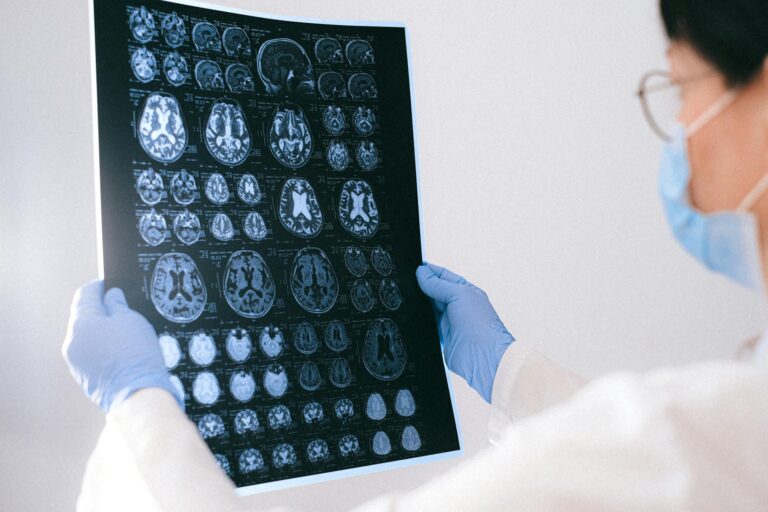
Cerebral palsy (CP) can indeed be caused by factors related to the delivery process, including the involvement of untrained or inadequately trained delivery staff. CP is a neurological disorder caused by damage to the developing brain, which can occur before, during, or shortly after birth. When delivery staff lack proper training, the risk of birth complications that may lead to brain injury—and thus cerebral palsy—increases significantly[1][2].
**How Delivery Staff Can Influence Cerebral Palsy Risk**
The brain injury that causes CP often results from hypoxia (lack of oxygen) or ischemia (lack of blood flow) to the infant’s brain during the perinatal period—the time immediately before, during, and after birth[2]. Proper management of labor and delivery is critical to prevent these conditions. Untrained delivery staff may:
– Fail to recognize or respond promptly to fetal distress signals, such as abnormal heart rate patterns, which indicate the baby is not getting enough oxygen[2].
– Incorrectly use delivery tools like forceps or vacuum extractors, which can cause physical trauma or intracranial hemorrhages in the infant’s brain[1].
– Mismanage complications such as umbilical cord compression or prolonged labor, increasing the risk of hypoxic-ischemic injury[2].
– Delay or improperly perform emergency interventions like cesarean sections when the baby’s condition deteriorates[1].
These errors or omissions can lead to brain cell injury or death, resulting in the motor impairments characteristic of cerebral palsy[2].
**Medical Evidence and Authoritative Sources**
According to Sokolove Law, birth complications including fetal distress and improper use of delivery assistance tools are common causes of cerebral palsy. They emphasize that medical errors before, during, or after childbirth—often linked to inadequate training or negligence—can cause preventable brain injuries leading to CP[1].
The Royal Wolverhampton NHS Trust explains that the brain’s high demand for oxygen and glucose means any interruption in blood flow or oxygen supply during delivery can cause hypoxic-ischemic injury, a major cause of CP. They note that perinatal brain injury is a critical risk period and that delivery complications such as umbilical cord compression or difficult labor can cause this injury[2].
Research funded by the Eunice Kennedy Shriver National Institute of Child Health and Human Development highlights the importance of early detection and intervention for CP, which underscores the need for skilled neonatal care immediately after birth to minimize brain injury[3].
**Additional Risk Factors and Considerations**
While untrained delivery staff can contribute to CP risk, it is important to recognize that cerebral palsy has multiple causes, including genetic factors, prenatal infections, prematurity, and low birth weight[4][5]. Prematurity remains the most significant risk factor, and some brain injuries occur before labor begins[4]. However, preventable birth injuries caused by poor delivery management remain a significant concern.
**Legal and Ethical Implications**
When cerebral palsy results from medical negligence, such as errors by untrained delivery staff, families may have legal grounds for compensation. Birth injury law firms often handle cases where improper delivery care caused brain injury leading to CP[1]. This highlights the critical importance of ensuring delivery staff are properly trained and equipped to manage labor and delivery safely.
In summary, cerebral palsy can be caused by brain injury during delivery, and untrained or inadequately trained delivery staff increase the risk o