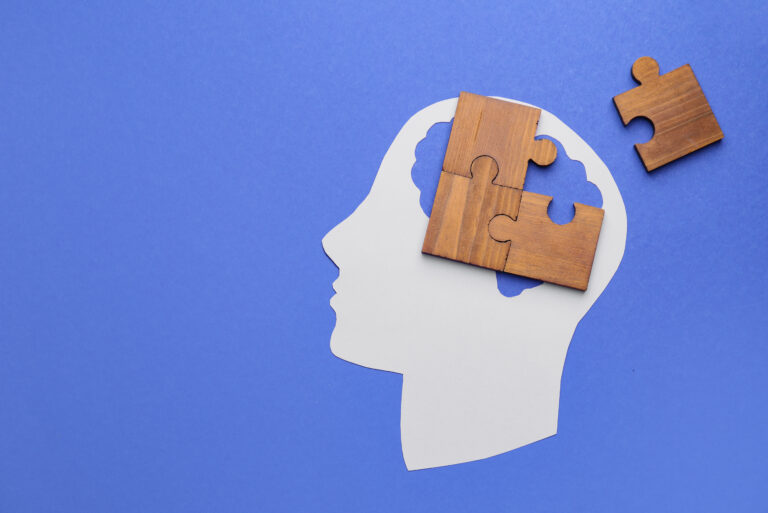
Brain puzzles and other mentally stimulating activities can help lower the risk of dementia by keeping the brain active, strengthening neural connections, and building cognitive reserves that delay cognitive decline. Engaging regularly in puzzles, games, reading, or learning new skills challenges the mind, which supports memory and thinking skills over time.
When you solve puzzles or play strategy games, your brain is pushed to think critically, recognize patterns, and problem-solve. This mental workout strengthens the pathways between brain cells, making the brain more resilient to age-related changes. For example, crossword puzzles, jigsaw puzzles, and chess are excellent ways to exercise different cognitive functions like language, spatial reasoning, and strategic planning. The more you challenge your brain with new and varied puzzles, the more you encourage it to adapt and grow, which can slow down the progression of dementia symptoms.
Beyond just the mental challenge, brain puzzles also reduce stress by providing enjoyable and engaging activities. Stress and anxiety can harm memory and cognitive function, so activities that promote relaxation and fun indirectly protect brain health. When you’re relaxed and happy, your brain releases chemicals that support learning and memory.
Social interaction is another important factor linked to brain puzzles and dementia risk. Many puzzles and games, like chess or card games, are social activities that encourage connection with others. Socializing stimulates the brain in unique ways, providing emotional support and reducing feelings of isolation, which are risk factors for dementia. Being part of a community or group that enjoys puzzles and games can create a positive feedback loop of mental and emotional well-being.
In addition to puzzles, learning new skills, reading, or taking up hobbies like painting or playing an instrument also count as brain exercises. These activities require focus, memory, and problem-solving, all of which build cognitive reserves. Cognitive reserve is the brain’s ability to compensate for damage or decline by using alternative networks or strategies, effectively delaying the onset of dementia symptoms.
For older adults, participating in cognitive stimulation activities is especially important because natural cognitive decline is common with aging. Regular mental exercise can help maintain problem-solving skills, memory, and attention. For example, playing chess not only sharpens rational thinking but also encourages social interaction, both of which contribute to lower dementia risk.
Senior living communities often incorporate brain puzzles and cognitive activities into their programs to support residents’ brain health. These communities provide a holistic approach by combining mental stimulation with physical exercise, nutritious meals, and social opportunities, all of which work together to promote cognitive well-being.
In everyday life, even small activities that require concentration and problem-solving—like cooking a new recipe or learning a new language—can contribute to brain health. The key is to keep challenging the brain regularly and to enjoy the process, as joy and relaxation also play a role in maintaining cognitive function.
Overall, brain puzzles are a simple, accessible, and effective way to help lower the risk of dementia by stimulating the mind, reducing stress, and encouraging social engagement. Making them a regular part of life can support long-term brain health and help keep the mind sharp as we age.