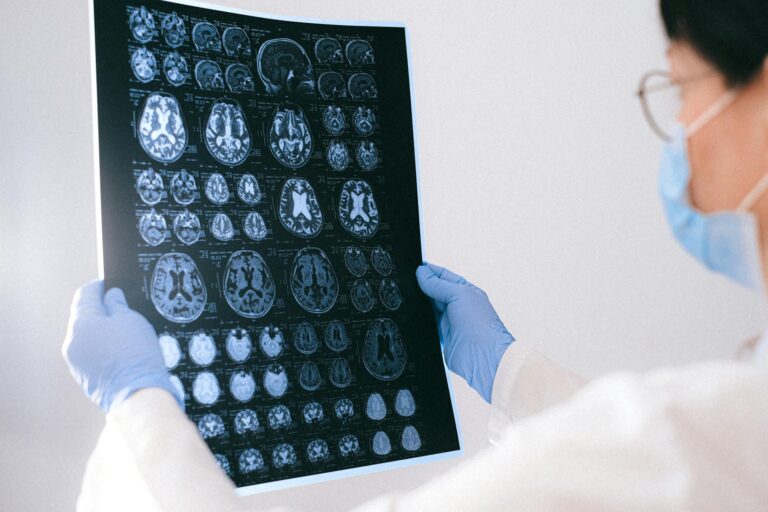
**Can birth trauma directly lead to cerebral palsy?**
Birth trauma can be a direct cause of cerebral palsy (CP), but it is only one of several possible factors. Cerebral palsy is a neurological disorder caused by damage to the developing brain, often before or during birth, and sometimes shortly after birth. Birth trauma refers to physical injury to a baby during the process of labor and delivery, which can include mechanical injury or oxygen deprivation (hypoxia). When such trauma causes brain injury, it can result in cerebral palsy.
**Understanding Cerebral Palsy and Its Causes**
Cerebral palsy is characterized by impaired movement, muscle tone, or posture due to brain damage that occurs during early brain development. The brain injury can be caused by a variety of factors including:
– Prenatal causes such as infections, inflammation, or genetic factors.
– Perinatal causes including birth trauma, oxygen deprivation, or complications during labor.
– Postnatal causes like infections or head injuries after birth.
Birth trauma is often implicated in perinatal causes, particularly when it leads to hypoxic-ischemic encephalopathy (HIE), a condition where the brain is deprived of adequate oxygen and blood flow during birth.
**How Birth Trauma Can Lead to Cerebral Palsy**
Birth trauma can cause cerebral palsy primarily through two mechanisms:
1. **Mechanical Injury:** Physical injury to the baby’s head or brain during delivery, such as from forceps, vacuum extraction, or difficult labor, can damage brain tissue directly.
2. **Oxygen Deprivation (Hypoxia):** If the baby’s oxygen supply is interrupted or reduced during birth, brain cells can be damaged or die. This is often due to complications like umbilical cord problems, placental insufficiency, or prolonged labor.
A well-documented example involves cases where a baby suffers a lack of oxygen for several minutes during delivery. Research and legal cases have shown that even a delay of a few minutes in delivering a baby experiencing oxygen deprivation can cause brain injury leading to cerebral palsy[3][4].
**Scientific Evidence and Medical Understanding**
Medical research indicates that cerebral palsy is often linked to complex interactions of prenatal and perinatal factors rather than a single cause. For example, inflammation in the placenta and fetal brain can contribute to brain injury before birth, setting the stage for cerebral palsy[1]. This means that birth trauma is not always the sole cause but can be a critical factor when combined with other prenatal insults.
Oxygen deprivation at birth is a significant risk factor. Studies have shown that even mild hypoxic-ischemic encephalopathy can lead to developmental delays and neurological impairments later in life, including cerebral palsy[4]. Severe oxygen deprivation is strongly associated with permanent brain damage.
**Legal and Clinical Perspectives**
From a clinical negligence and legal standpoint, birth trauma leading to cerebral palsy is often linked to preventable medical errors during labor and delivery. For instance, delayed delivery in the presence of fetal distress causing hypoxia can be grounds for compensation claims[3]. Courts recognize that it is sometimes impossible to pinpoint the exact moment brain injury occurs, but if negligence materially contributes to the injury, liability can be established.
**Other Contributing Factors**
It is important to note that not all cerebral palsy cases are caused by birth trauma. Many cases arise from prenatal factors such as infections, genetic abnormalities, or exposur