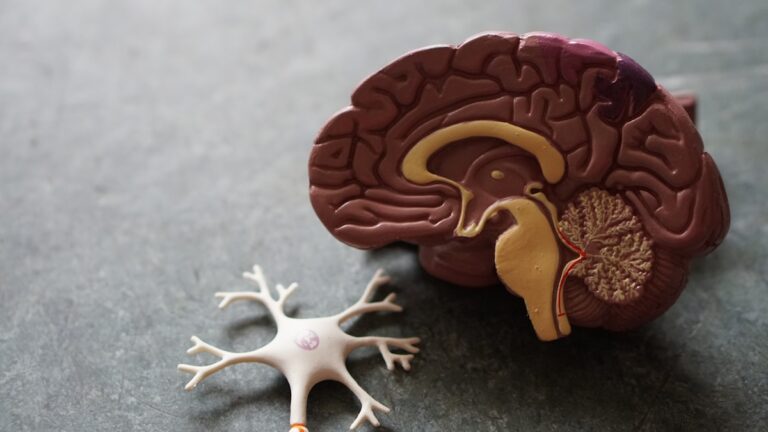
Beans and legumes can play a meaningful role in helping to prevent dementia due to their rich nutritional profile and positive effects on brain health. These foods, which include lentils, chickpeas, kidney beans, and other varieties, are packed with protein, fiber, B vitamins, and other nutrients that support cognitive function and overall brain vitality.
One of the key ways beans and legumes contribute to brain health is through their high content of B vitamins, particularly folate. Folate is essential for brain function because it helps reduce levels of homocysteine, an amino acid linked to cognitive decline and increased risk of dementia. By lowering homocysteine, folate helps protect brain cells from damage and supports the maintenance of healthy neural pathways.
Fiber in beans and legumes also plays a crucial role. It helps stabilize blood sugar levels, preventing spikes and crashes that can impair brain function. Stable blood sugar is important because diabetes and insulin resistance are closely linked to a higher risk of developing dementia. By regulating blood sugar, legumes indirectly reduce this risk and help maintain steady energy supply to the brain.
Additionally, beans and legumes are rich in antioxidants and anti-inflammatory compounds. Chronic inflammation and oxidative stress are known contributors to neurodegenerative diseases like Alzheimer’s. The polyphenols and flavonoids found in these foods help combat inflammation and protect brain cells from oxidative damage, which can slow cognitive decline.
Legumes also support cardiovascular health by helping to regulate cholesterol levels. Since good heart health is closely tied to brain health—because the brain depends on a steady supply of oxygen-rich blood—improving cholesterol and blood flow can reduce the risk of vascular dementia and other cognitive impairments.
In dietary patterns known to benefit brain health, such as the MIND diet and Mediterranean diet, legumes are a staple. These diets emphasize the consumption of plant-based foods rich in nutrients that promote cognitive longevity. Studies have shown that people who regularly consume legumes as part of these diets tend to experience slower cognitive decline and have a lower risk of developing dementia.
Eating beans and legumes three or more times a week is often recommended for brain health. Their combination of protein, fiber, vitamins, and antioxidants makes them a powerful food group for maintaining memory, attention, and overall cognitive function as people age.
In summary, beans and legumes help prevent dementia by providing essential nutrients that protect brain cells, reduce inflammation, stabilize blood sugar, and support cardiovascular health. Including these foods regularly in the diet is a practical and effective strategy to promote long-term brain health and reduce the risk of cognitive decline.