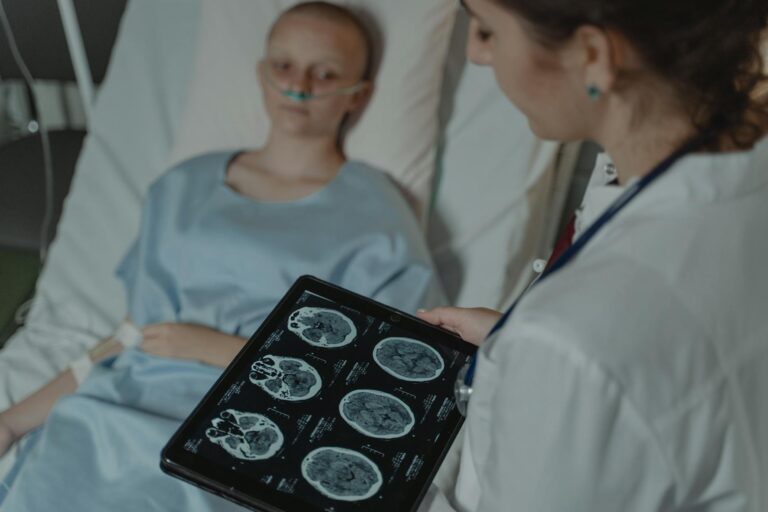
Asphyxia at birth, which means a baby is deprived of oxygen during delivery, can indeed cause learning disabilities. When a newborn does not get enough oxygen, the brain cells can be damaged because they rely heavily on oxygen to function and develop properly. This damage may affect areas of the brain responsible for thinking, memory, speech, and coordination—all critical for learning.
The severity of learning disabilities depends largely on how long and how severely the baby was deprived of oxygen. Mild cases might lead to subtle difficulties such as speech delays or attention problems that become noticeable only as the child grows and faces more complex cognitive tasks. More severe oxygen deprivation often results in significant challenges like lower IQ scores, poor memory retention, difficulty processing information quickly, or behavioral disorders including autism spectrum traits or attention-deficit disorder.
This condition is often linked with hypoxic-ischemic encephalopathy (HIE), a type of brain injury caused by lack of oxygen and blood flow around birth. Children with HIE frequently experience long-term effects that include not just learning disabilities but also physical impairments like cerebral palsy or epilepsy.
Learning difficulties from birth asphyxia may not be immediately obvious after birth; sometimes they emerge gradually over months or years as developmental milestones are missed—such as delayed speech development or trouble with motor skills like walking or coordination. Because these issues unfold over time, early intervention through therapies can help improve outcomes but cannot always fully reverse the damage done.
In addition to cognitive challenges such as impaired thinking and memory skills, children affected by birth-related oxygen deprivation may also face behavioral problems that impact their ability to learn effectively in school environments. These might include difficulty focusing attention or controlling impulses.
Overall, while some babies recover well from mild episodes without lasting effects on learning abilities, others suffer lifelong disabilities requiring ongoing support in education and daily living activities due to brain injury caused by insufficient oxygen at birth. The extent varies widely depending on factors like duration of deprivation and promptness of medical treatment during delivery complications.
Thus, **asphyxia at birth is a recognized cause of various types of learning disabilities**, ranging from mild delays to profound intellectual impairments combined with other neurological conditions affecting overall development throughout childhood into adulthood.