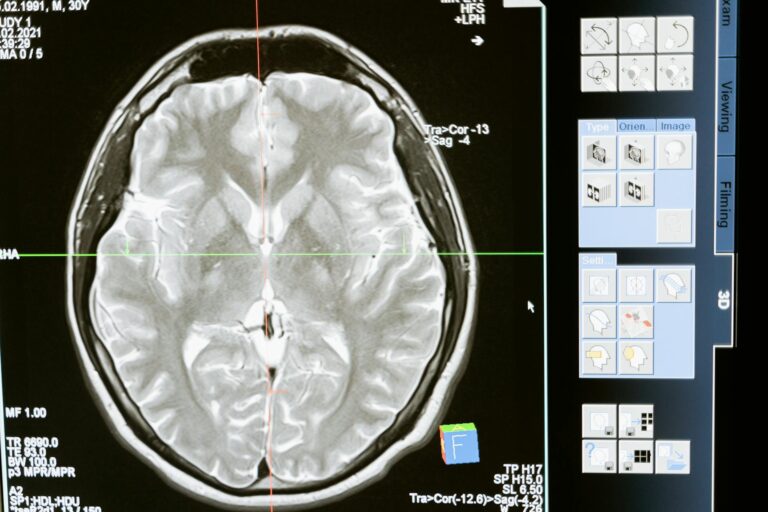
Anti-sedentary habits, such as regular physical activity and reducing prolonged sitting, can help protect the aging mind by slowing cognitive decline and reducing the risk of Alzheimer’s disease. Research shows that even modest levels of exercise, like walking 3,000 to 7,500 steps per day, are linked to slower progression of brain changes associated with Alzheimer’s and better preservation of memory and thinking skills in older adults.
Studies have found that physical inactivity is a modifiable risk factor for Alzheimer’s disease. In older adults with elevated amyloid-beta—a protein linked to Alzheimer’s—those who were sedentary experienced faster buildup of tau proteins and more rapid cognitive decline. However, individuals who walked as few as 3,000 steps daily delayed cognitive decline by about three years, and those walking 5,000 to 7,500 steps delayed it by up to seven years. This suggests that even achievable, modest increases in daily activity can have meaningful benefits for brain health, especially for those at higher risk of dementia[1][2][6].
Physical activity helps by slowing the accumulation of tau proteins, which are more directly related to cognitive decline than amyloid-beta alone. Exercise also increases blood flow to the brain and promotes the growth of new brain cells, supporting memory and cognitive function. Conversely, sedentary behavior is associated with lower metabolic rates, poorer blood glucose control, and negative effects on brain function, all of which contribute to cognitive decline[1][3][5].
In addition to physical activity, maintaining social connections and engaging in lifelong learning are important habits that support cognitive health. Social isolation and loneliness can increase dementia risk, while intellectual stimulation helps keep the brain sharp. Communities that encourage movement, social engagement, and mental enrichment provide environments that help older adults maintain these protective habits[3].
Overall, adopting anti-sedentary habits by incorporating regular, moderate physical activity into daily life offers a practical and effective way to protect the aging brain and reduce the risk or delay the onset of cognitive decline and Alzheimer’s disease.
Sources
https://www.fightaging.org/archives/2025/11/modest-levels-of-exercise-slow-cognitive-decline-in-early-alzheimers-disease/
https://www.medicalnewstoday.com/articles/only-3000-steps-day-lower-alzheimers-disease-risk-cognitive-decline
https://www.presbyterianseniorliving.org/blog/reducing-dementia-risk
https://pmc.ncbi.nlm.nih.gov/articles/PMC12606310/
https://news.harvard.edu/gazette/story/2025/11/walking-3000-5000-steps-a-day-may-delay-alzheimers/